

Is himalayan salt good for you? This is a question that comes up a lot because Himalayan salt shows up everywhere these days, from kitchen shelves to spa menus to home decor. The pink color and the marketing around it make it easy to assume this is a health food rather than a seasoning. Search for it online and you will find claims ranging from better digestion to balanced acid levels to a long list of minerals your body supposedly needs.
So is it simply table salt with better branding? The honest answer sits somewhere in the middle, and understanding where helps you use it sensibly rather than basing decisions on marketing language. This article breaks down exactly what Himalayan salt is, what is actually inside it, how it compares to the salt most people already have in their kitchen, and where the real benefits and limitations lie. By the end, you should have a clear and practical answer rather than a marketing one.
What Makes Himalayan Salt Different
Himalayan salt is mined from ancient salt deposits. The most famous source is the Khewra Salt Mine in Pakistan, which is one of the oldest and largest salt mines in the world. These deposits formed hundreds of millions of years ago when ancient seas evaporated and left behind thick layers of crystallized salt. Over time, heavy sediment and pressure compressed these layers into solid rock. The pink or reddish color comes from trace amounts of iron oxide and other minerals mixed in with the sodium chloride. Sodium chloride is the same compound that makes up ordinary table salt.
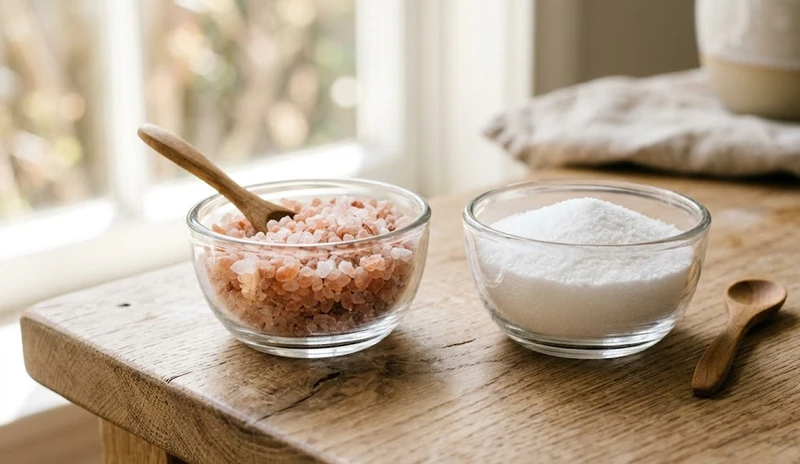
Regular table salt is usually much more heavily processed. It is typically mined or evaporated from brine, then refined to remove impurities and natural minerals. This leaves behind a much purer form of sodium chloride. Agents that prevent caking are commonly added to keep it flowing freely in the shaker. Many brands also add iodine, a practice that started decades ago to address widespread iodine deficiency.
Chemically, both salts are still overwhelmingly sodium chloride. Himalayan salt is roughly 98 percent sodium chloride. The remaining small percentage includes minerals like potassium, magnesium, and calcium, along with the iron oxide responsible for its color. Table salt, once fully refined, is closer to 99 percent pure sodium chloride.
Does the Mineral Content Actually Matter
This is where a lot of the marketing tends to overstate things. The trace minerals in Himalayan salt are present in such incredibly small amounts that they do not meaningfully contribute to your daily nutrient needs. We are talking about less than one percent of the total composition. You would need to eat an unreasonably large and unsafe amount of salt to get a nutritionally relevant dose of magnesium or potassium from it.
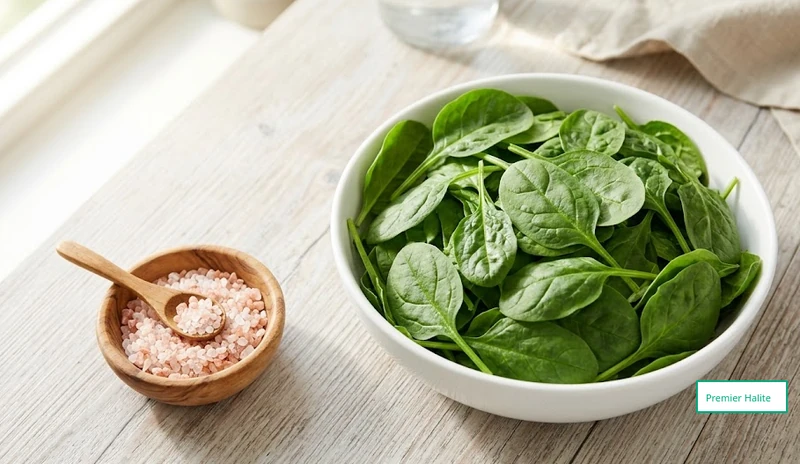
To put this simply, you would consume far more sodium than health guidelines recommend just to get a fraction of the magnesium found in a single serving of spinach. If you want to increase your mineral intake, leafy greens, nuts, seeds, and whole grains do a far better job. They provide those nutrients without the heavy sodium load. Himalayan salt is simply not a meaningful dietary source of minerals, no matter how the packaging frames it. To see the exact numbers, you can check our detailed breakdown of pink himalayan salt nutrition facts which shows exactly what is on the label.
That said, the small mineral content does affect flavor and texture, even if it does not affect your overall nutrition in a significant way. Many people find Himalayan salt has a milder and slightly less sharp taste than fine table salt. This is part of why chefs favor it as a finishing salt sprinkled over a finished dish rather than mixed directly into a boiling pot of water.
Sodium Is Still Sodium
The most important thing to understand is that Himalayan salt is not a low sodium alternative. Gram for gram, it contains about the same amount of sodium as regular table salt, generally around 380 to 390 milligrams per gram. If you have high blood pressure or have been told by a doctor to watch your sodium intake, switching to pink salt will not solve that problem. It does not matter how natural or unprocessed it may seem. Sodium is still sodium.
What makes a practical difference in your kitchen is the crystal size. Himalayan salt crystals are often larger and coarser than fine table salt. This means a teaspoon measured by volume may contain slightly less sodium than the same teaspoon of fine table salt. This happens because there is more air between the larger and irregular crystals. This is just a measurement quirk rather than a true reduction in sodium content. The difference disappears entirely once you measure the salt by weight instead of volume.
The Iodine Factor
One area where Himalayan salt can fall short is iodine. Most Himalayan salt is not fortified with iodine, while much of the regular table salt sold in stores is. Iodine is an essential nutrient for healthy thyroid function. It supports the production of hormones that regulate metabolism, growth, and energy use throughout your entire body.
People who rely entirely on Himalayan salt and do not get iodine from other sources could be at a slight disadvantage. Good sources of iodine include seafood, dairy products, and eggs. This is worth keeping in mind if pink salt is your only salt source at home. It is especially important for pregnant women, whose iodine needs increase significantly, and for anyone following a diet that already limits common iodine sources.
Where Himalayan Salt Genuinely Shines
Beyond the dinner plate, Himalayan salt is incredibly popular for other uses. It is famous for cooking on solid salt blocks. These blocks can be heated to sear food, or chilled to serve cold dishes while imparting a subtle salty flavor. It is also widely used for relaxing bath soaks. If you enjoy a warm evening soak, learning how to use himalayan bath salt can turn your bathroom into a personal spa.
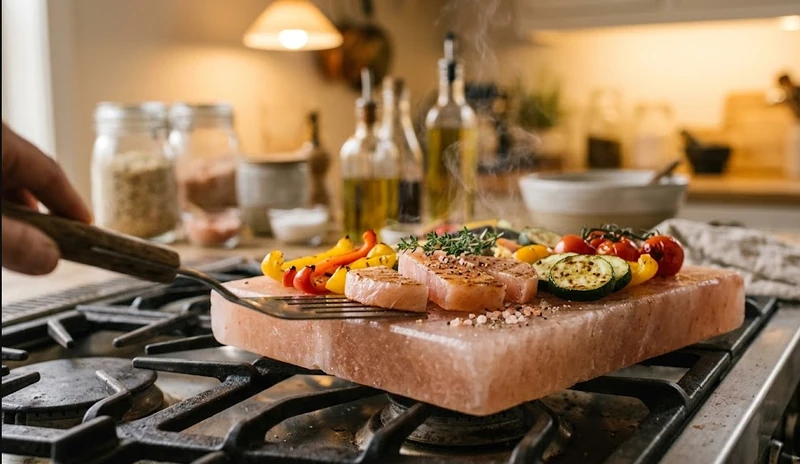
As a culinary ingredient, its larger crystals and clean flavor make it a favorite for finishing dishes. Sprinkling it over grilled steaks, roasted vegetables, and fresh salads adds a light and crunchy pop of salt that provides both texture and taste. Used this way, in normal culinary amounts, it is a perfectly reasonable and enjoyable choice. There is absolutely nothing wrong with preferring it purely for how it looks and tastes. The key is simply not expecting it to function as a daily health supplement.
How to Use and Store Himalayan Salt Sensibly
Treat Himalayan salt the exact same way you would treat regular salt. Use it as a flavor enhancer in moderation, not as a wellness product consumed in larger quantities for supposed health properties. If you enjoy the taste and texture, use it in your everyday cooking. For more ideas on adding it to your daily meals, our guide on cooking with himalayan pink salt covers simple tips and recipe ideas.
If you are managing your sodium intake for a medical reason, track it the same way you would track regular table salt. Talk to your doctor about your overall sodium goals rather than assuming the switch to pink salt alone makes a meaningful difference.
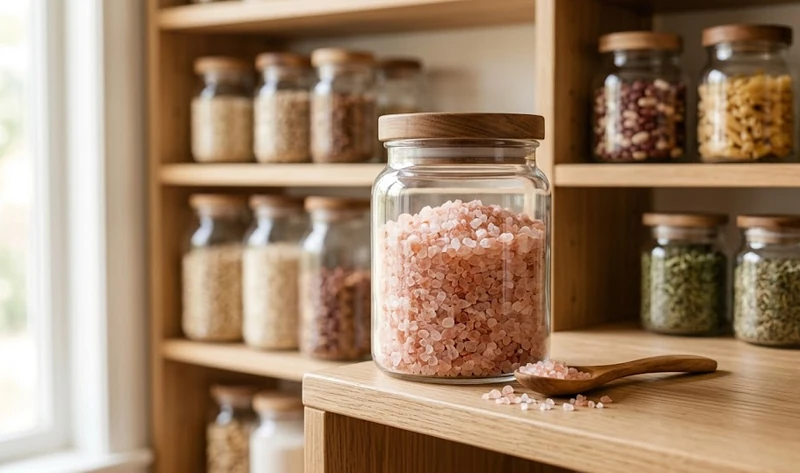
Storing your pink salt is very simple. Keep it in a sealed glass jar or a container with a tight lid. Store it in a cool and dry place away from the stove or sink. Salt naturally pulls moisture from the air, so keeping it sealed prevents it from turning into a hard clump. If your coarse salt does start to clump in humid weather, do not worry. It is still perfectly safe to eat. Just break up the clumps with a spoon before adding it to your food.
The Bottom Line
Himalayan salt is not a magical health supplement, but it is also not something you need to avoid. Used the way any salt should be used, in moderation and as part of a balanced diet, it is a good and flavorful choice that many people genuinely enjoy for its texture and taste. Just do not expect it to deliver meaningful nutrition beyond what any regular salt provides. Remember that sodium is sodium, regardless of the beautiful color of the crystal or the ancient story behind where it was mined. Make your choice based on flavor and preference, and enjoy your food with peace of mind.
FAQs
Is Himalayan salt healthier than sea salt
Not really. Both are minimally processed forms of salt with small amounts of trace minerals. The differences in health impact between them are very small for most people. The choice mostly comes down to flavor, texture, and personal preference rather than any real nutritional advantage.
Can Himalayan salt lower blood pressure
No. It contains sodium just like any other salt, so it does not lower blood pressure. It should be used in moderation by anyone managing high blood pressure. No form of salt changes this basic fact about sodium.
How much Himalayan salt is safe per day
General health guidelines recommend keeping total sodium intake under 2300 milligrams per day for most healthy adults. Himalayan salt should be counted toward that total just like any other salt in your diet. People with certain health conditions may be advised to aim even lower.
Does Himalayan salt expire
No, salt in general does not spoil or expire since it is a stable mineral. As long as it is kept dry and free from contamination, Himalayan salt can be stored indefinitely without losing its quality.