
How to store salt properly is something most people have never thought about because salt seems like an ingredient that just takes care of itself. In one sense that is true. Pure sodium chloride does not spoil or expire the way dairy or fresh produce does.
But salt can absorb moisture from the air, form hard clumps, pick up odors from nearby spices, and degrade in quality if stored carelessly. This article gives you clear and practical advice on storing different types of salt so they stay in the best condition for cooking every time you reach for them.
Does Salt Actually Go Bad
Pure salt meaning plain sodium chloride without any additives essentially never spoils. It is one of the most stable food ingredients in existence. Ancient salt deposits millions of years old are still mined and eaten today. However iodized table salt is different. The iodine added to table salt can degrade over time especially when exposed to moisture heat or light.
After about five years iodized salt may lose some iodine content though it remains safe to eat. If you rely on iodized salt as your primary dietary iodine source using fresher salt is more reliable. Flavored and specialty salts that contain herbs spices citrus zest or other organic ingredients can lose flavor quality over time as those added ingredients age and lose their potency. Store specialty salts with extra care to preserve the flavors in them.
How to Store Salt Properly in Your Kitchen
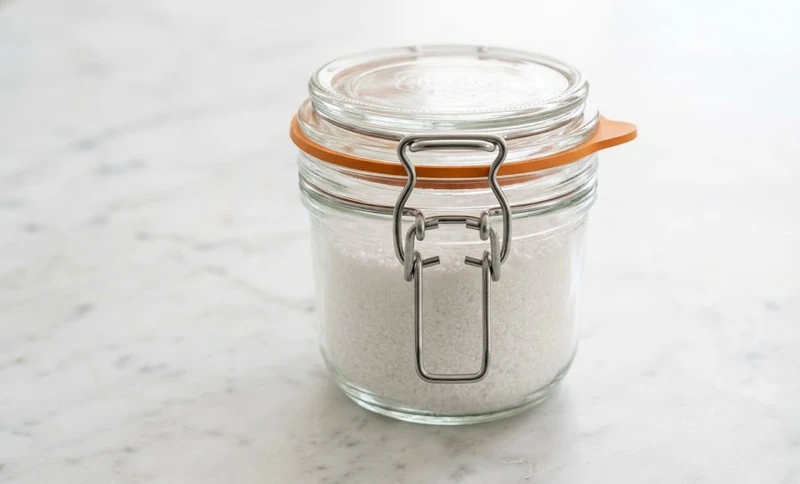
The core rule is simple. Keep salt cool dry and away from light. Here is what that looks like in everyday practice. Use an airtight container. Salt absorbs moisture from the air through a property called hygroscopicity. When salt absorbs enough moisture the crystals bond together and form hard lumps. An airtight glass ceramic or food grade plastic container keeps moisture out and your salt flowing freely.
This is the single most effective thing you can do to store salt properly. Avoid storing salt right next to the stove. Many people keep salt in a shaker or small bowl next to the stove for easy access during cooking. The problem is that steam from boiling pots rises and introduces moisture to whatever is nearby. Over time any salt container sitting next to a heat source or steam source will absorb moisture and clump faster. Avoid the area near the sink.
The space around a kitchen sink is typically more humid than the rest of the counter. Salt stored near the sink absorbs more moisture from the air over time. Do not refrigerate salt. The refrigerator introduces humidity every time you open and close the door. Salt stored in the fridge often clumps faster than salt kept in a cool dry cabinet. A kitchen pantry or cabinet shelf away from windows and heat sources is the right place.
How to Store Himalayan Pink Salt
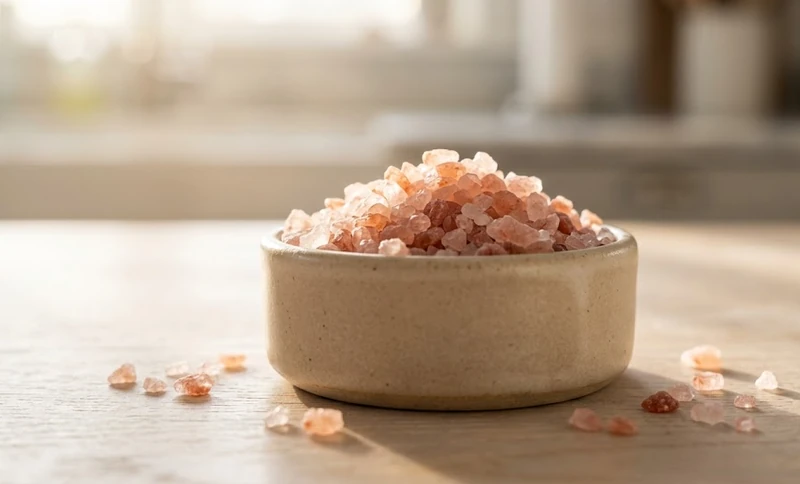
Himalayan pink salt behaves similarly to regular salt in storage but has a couple of specific points worth knowing. Coarse Himalayan pink salt is less prone to clumping than fine salt because the larger crystals have less surface area in contact with each other and with air. Many people keep coarse pink salt in an open ceramic dish on the counter and find it stays loose and dry for weeks at a time in a typical kitchen. Fine ground pink salt has more surface area and absorbs moisture more readily.
If you live in a humid climate or your kitchen gets steamy during cooking store fine pink salt in a sealed container rather than an open dish. Never store Himalayan pink salt or any salt in a metal container. Salt can corrode certain metals over time which can affect the flavor of the salt and damage the container. Glass ceramic and food grade plastic are all safe and practical choices. Knowing how to store salt properly extends naturally to knowing which salt to buy and how to use it best.
For a full comparison of Himalayan salt vs sea salt side by side our article walks you through the differences in source flavor and kitchen use. And if you want to understand the complete nutritional content of the salt you are cooking with our pink Himalayan salt nutrition facts article covers everything on the label and beyond. When you are cooking with Himalayan pink salt having dry and fresh salt makes a big difference in your final dish.
How to Fix Clumped Salt
If your salt has already clumped into hard lumps it is still perfectly safe to use. Press the lumps against the side of the container with the back of a spoon to break them apart or put the salt in a plastic bag and roll it with a rolling pin. To prevent clumping going forward add a few dry grains of uncooked white rice to your salt container.
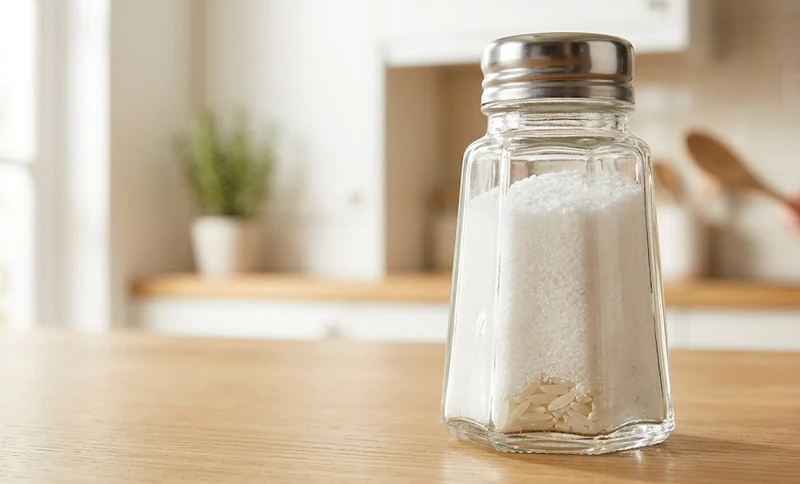
The rice absorbs moisture from the air inside the container which keeps the salt dry and loose. This is an old trick that works well for salt kept in open shakers or ceramic dishes. You can also buy small food safe silica gel packets designed for food storage. These moisture absorbing packets work very well placed inside a sealed salt container to maintain a dry environment.
How Long Does Salt Last
Pure salt with no additives lasts indefinitely when stored properly. There is no practical expiration date for plain sodium chloride. Even if you find an old container of plain salt in the back of your pantry from several years ago it is almost certainly still fine to use as long as it smells normal and has not been contaminated.
Iodized table salt is a little different. The iodine added to table salt gradually depletes over time especially when the salt is exposed to moisture air or light. Most manufacturers put a best by date on iodized salt of around five years from the production date not because the salt itself goes bad but because the iodine content may have fallen significantly by that point.
The salt is still safe and useful for seasoning but you may not be getting the full iodine contribution you expect from it. Flavored salts with herbs dried citrus or spices will lose their added flavors over time even if the salt itself remains fine. These are best used within one to two years of purchase for optimal flavor.
Storing Different Types of Salt
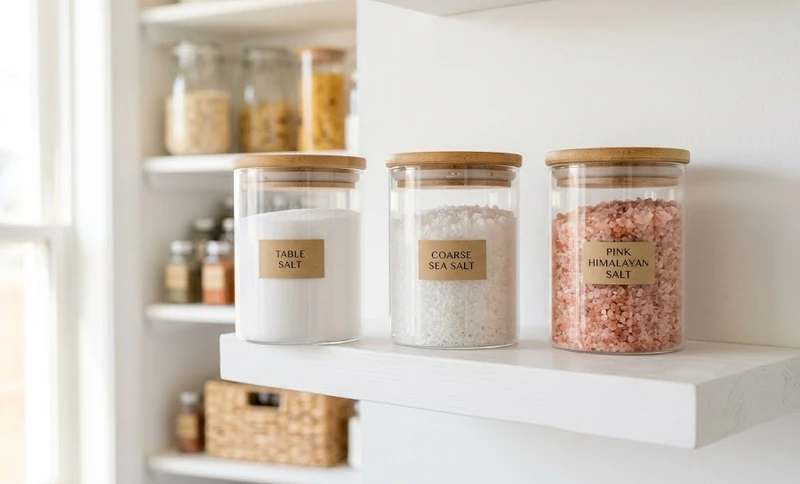
Fine table salt should be kept in a sealed shaker or airtight container in a dry cabinet. Add a few rice grains if clumping is a regular problem in your kitchen. Coarse sea salt or coarse Himalayan pink salt can be kept in an open ceramic dish for everyday use if your kitchen is not very humid. For longer term storage use a sealed glass jar.
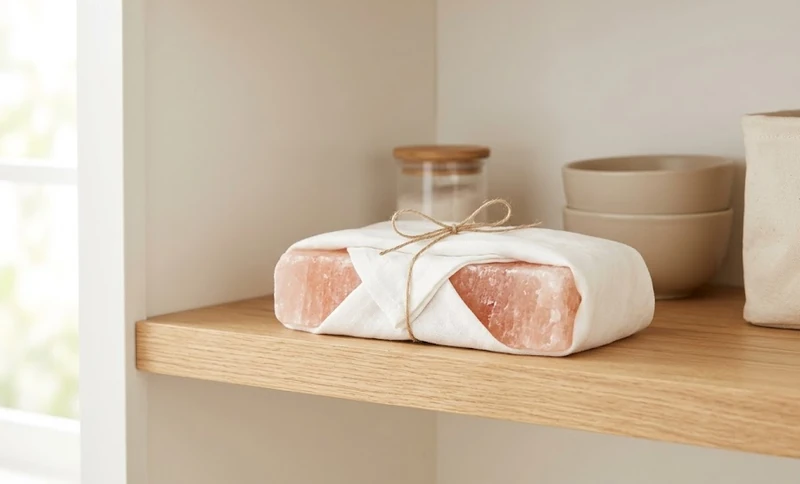
Smoked or flavored salts should always be stored in a sealed container because the added organic ingredients degrade faster when exposed to air. Use within one to two years for the best flavor. Salt blocks and plates used for cooking should be stored in a dry place wrapped loosely in a cloth or paper bag. Do not wrap in plastic because this traps any moisture that evaporates from the block and can cause surface degradation over time.
Final Thoughts
Knowing how to store salt properly is a small thing that makes a genuine difference in your daily cooking. Salt does not expire but it does clump absorb odors and lose added nutrients like iodine when stored poorly. An airtight container a dry and cool cabinet and distance from your stove and sink are the three things that matter most.
Whether you cook with basic table salt coarse sea salt or Himalayan pink salt the same basic storage rules apply. Keep it dry keep it sealed and keep it away from heat and steam. Do that and your salt will be in perfect condition every single time you reach for it.
FAQs
Can I store salt in a plastic container
Yes you can store salt in a food grade plastic container as long as it has a tight sealing lid. Glass and ceramic are also great choices. Just avoid metal containers because salt can corrode metal over time and ruin the flavor.
Why does my salt keep clumping together
Salt clumps because it absorbs moisture from the air. This happens if it is stored near the stove or sink where steam is present. Keep it in an airtight container in a dry cabinet to stop clumping and keep it flowing freely.
Should I keep my salt in the refrigerator
No you should not keep salt in the refrigerator. The fridge gets humid every time you open the door and this moisture will make your salt clump very quickly. A cool dry pantry is the best place for all types of salt.
Does salt actually expire or go bad
Pure salt without any additives never goes bad and has no expiration date. However if you have iodized salt or flavored salt with herbs the added ingredients can lose their strength over a few years. The salt itself remains safe to eat.
How can I fix salt that has already turned into hard lumps
You can easily break up hard salt lumps by pressing them with the back of a spoon or putting the salt in a bag and crushing it with a rolling pin. It is still perfectly safe to eat and use in your cooking.