
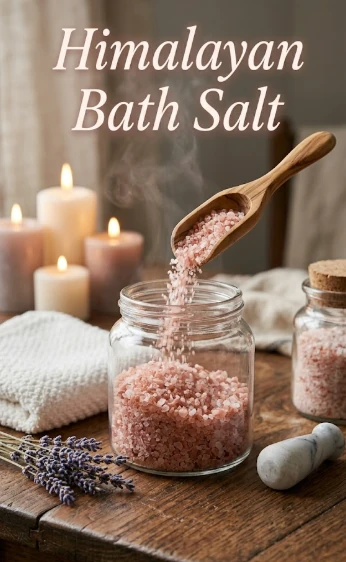
If you have ever had a long bath after a tiring day and felt like a completely different person after, you already know how powerful a good soak can be. Now imagine making that experience even better with something completely natural, pulled straight from ancient rock deposits deep in the mountains of Pakistan. That is exactly what Himalayan bath salt brings to your routine. It is not a trend or a gimmick. People have been using mineral rich salts for bathing for thousands of years, and for good reason.
This article covers what Himalayan bath salt actually is, how to use it properly, what makes it different from regular table salt or sea salt, and what you can realistically expect from using it. No exaggerated claims, no confusing words, just honest and practical information.
What Is Himalayan Bath Salt
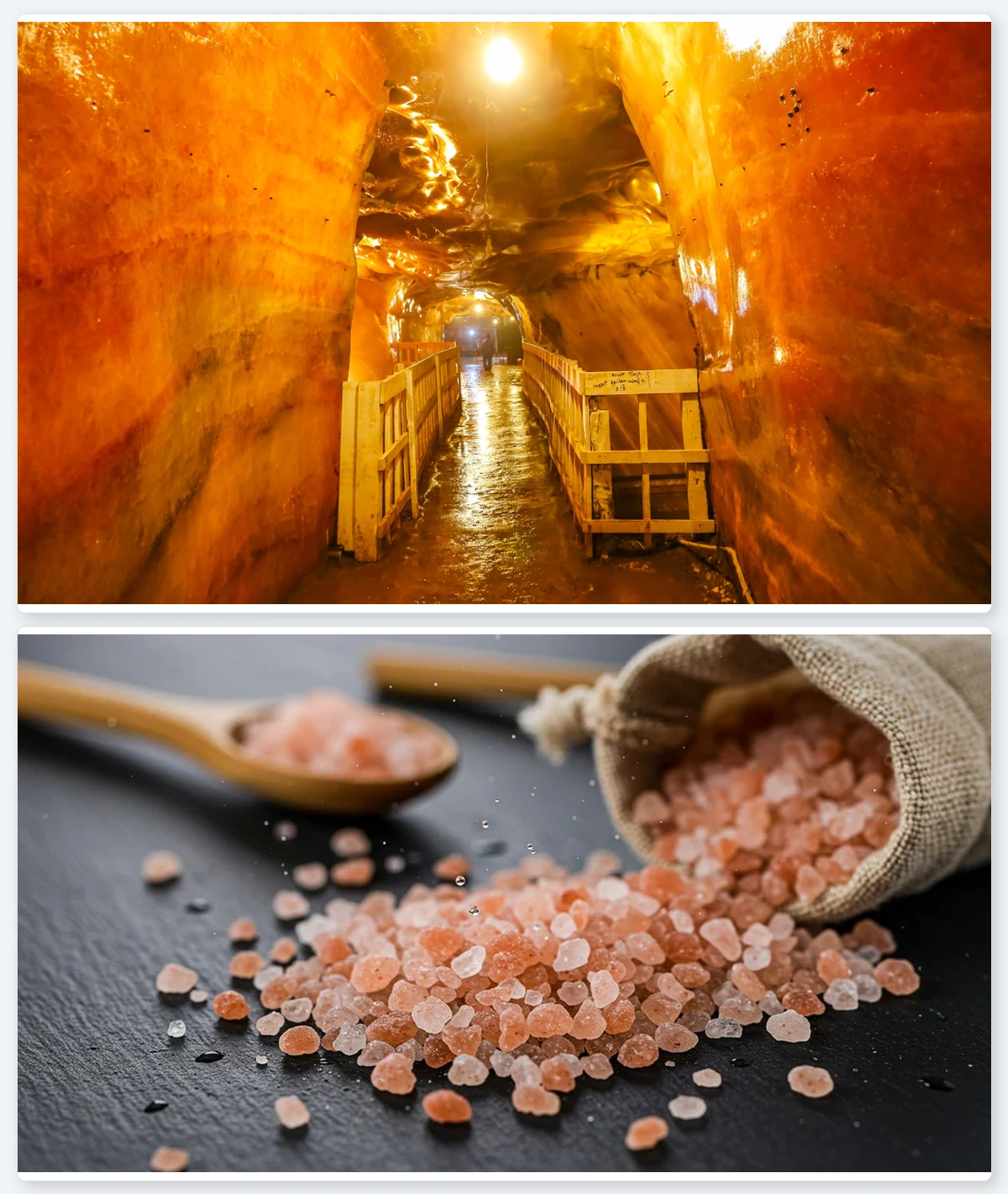
Himalayan salt comes from the Khewra Salt Mine in Pakistan, which is one of the oldest and largest salt mines in the world. The salt in this mine was formed around 250 million years ago when ancient seas dried up and left behind massive salt deposits. Over time, pressure from the earth compressed those deposits into solid rock salt, and that is what gets mined today.
The pink color comes from trace minerals like iron, magnesium, potassium, and calcium that are naturally present in the salt. These are the same minerals found in a healthy human body, which is one reason why so many people feel good after soaking in a Himalayan salt bath.
When the salt is used for bathing, it is typically sold in larger, coarser chunks or granules because these dissolve more slowly and give you a longer, more even soak compared to fine salt.
How Himalayan Bath Salt Is Different from Regular Salt
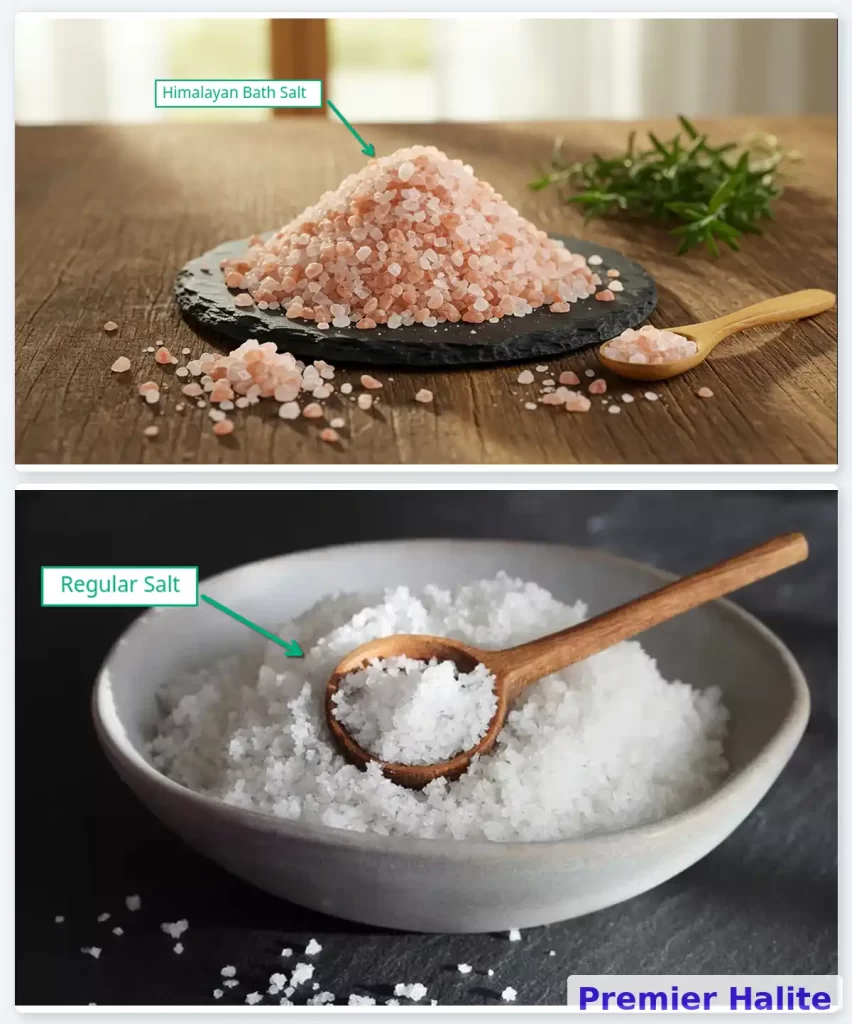
The salt you use in cooking and the salt you use for bathing look similar but are very different in practice. Table salt is heavily processed, stripped of most of its natural minerals, and often has additives like anti-caking agents. Sea salt is closer to natural, but it comes from ocean water, which today can carry pollutants and microplastics depending on the source.
Himalayan salt, on the other hand, is rock salt that has been sealed underground for millions of years. It has never been exposed to modern ocean pollution. It also retains its natural mineral content without heavy processing. When you dissolve it in your bathwater, you get a mineral solution that your skin can absorb during the soak.
This does not mean Himalayan bath salt is some kind of miracle product. But it is a genuinely cleaner and more mineral rich option compared to most alternatives.
How to Use Himalayan Bath Salt
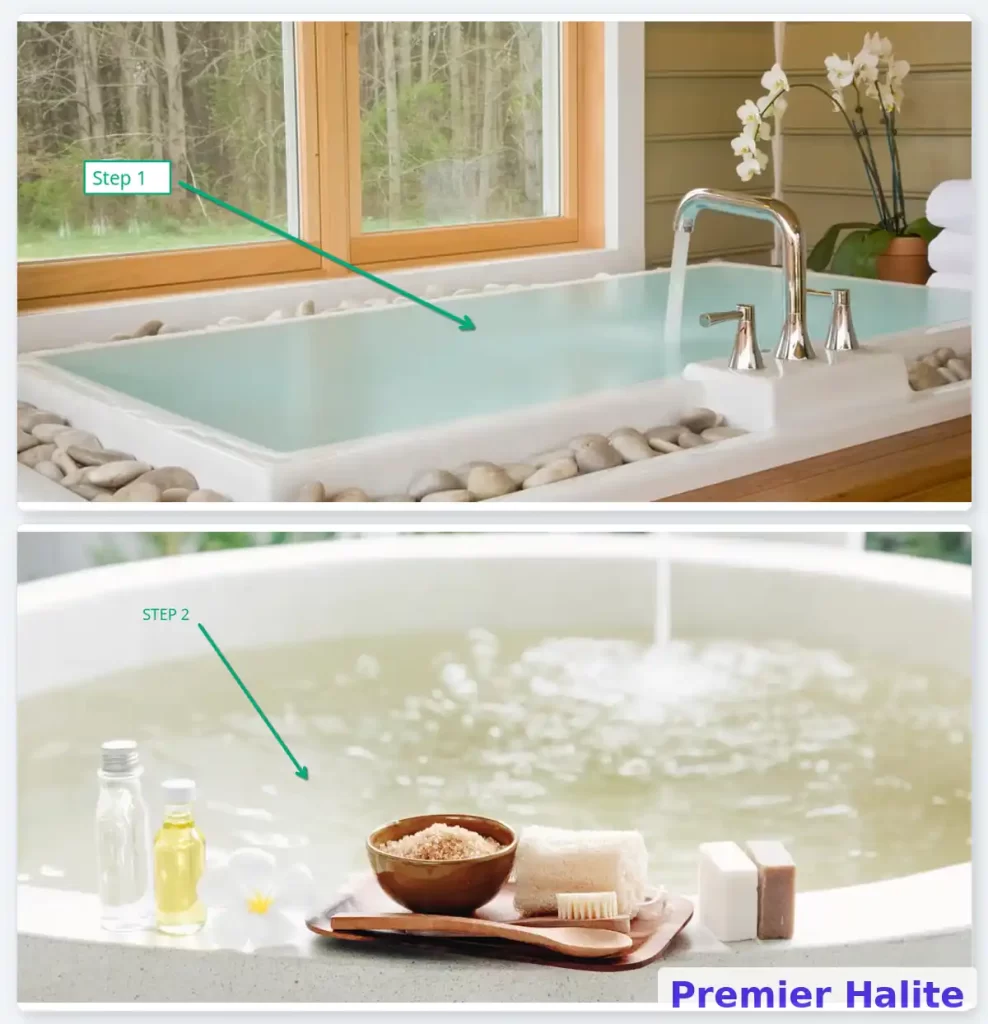
Using it is very simple. You do not need any special equipment or a lot of preparation. Here is a straightforward process that works well.
- Start by filling your bathtub with warm water. The temperature should be comfortable, not too hot. Water that is too hot can irritate your skin and also causes the salt to dissolve faster than needed. Warm water opens your pores a little, which helps your skin absorb the minerals better during the soak.
- Add around 200 to 300 grams of Himalayan bath salt to the water. If your tub is larger or you want a stronger mineral soak, you can go up to 500 grams. Stir the water with your hand or a wooden spoon to help the salt dissolve before you get in.
- Soak for at least 20 minutes. This is the minimum amount of time needed for your skin to properly interact with the mineral water. Many people soak for 30 to 40 minutes, which is perfectly fine as long as you feel comfortable.
- After getting out of the bath, gently pat your skin dry instead of rubbing it hard with a towel. Your skin might feel a little slippery or silky right after the bath, which is normal. This is because the minerals leave a light coating on the skin surface.
- Drink a glass of water after your soak. Bathing in salt water is not dehydrating in a dangerous way, but warm baths in general cause mild sweating, so it is a good habit to rehydrate afterward.
What to Expect from a Himalayan Salt Bath
Most people notice that their skin feels softer and smoother right after a salt bath. Salt has natural exfoliating properties, meaning it gently removes dead skin cells from the surface of your skin as you soak. This is one of the most immediate and noticeable effects.
If you have dry or rough skin, especially on your heels, elbows, or knees, regular salt baths can help soften those areas over time. The minerals in the salt, particularly magnesium, support the natural moisture layer of your skin, which means it can hold onto hydration better between baths.
Many people also report that they feel more relaxed and sleep better after an evening salt bath. This is not unique to Himalayan salt. Warm baths in general help lower your body temperature after you get out, which signals to your brain that it is time to sleep. The magnesium in the salt may also play a role here, since magnesium is known to support muscle relaxation.
If you have sore muscles after exercise or a long day of physical work, a salt bath can help ease that soreness. The warmth of the water is the main driver here, but the minerals support the process. Athletes have used mineral baths for recovery for a very long time.
How Often Should You Take a Himalayan Salt Bath
Two to three times a week is a good starting point for most people. If your skin is sensitive, start with once a week and see how your skin reacts before increasing the frequency. If you have very dry skin, you might want to use a smaller amount of salt to start, around 100 to 150 grams, and build up from there.
There is no strict rule here. Listen to your body. If your skin feels great and you enjoy the experience, continue at whatever frequency works for you. If you notice any irritation or dryness, reduce the amount of salt or how often you soak.
Can You Add Other Things to the Bath
Yes, and many people do. A few drops of lavender or eucalyptus oil mixed into the water before you get in is a very popular combination. Essential oils do not dissolve in water on their own, so mix them with a small amount of carrier oil like coconut or almond oil before adding them to the tub.
Dried herbs like chamomile or rose petals are another option if you enjoy a more pleasant experience. Just be aware that dried plants can leave residue in the tub, so a quick rinse afterward is a good idea.
Avoid adding soap or bubble bath to a salt soak. These products can reduce how well the minerals interact with your skin.
Who Should Be Careful with Salt Baths
Most healthy adults can enjoy Himalayan bath salt without any concerns. However, there are a few situations where you should be more careful or check with a doctor first.
If you have open cuts or wounds, salt baths will sting. This is not dangerous, but it is uncomfortable, so it is better to wait until the skin has healed before soaking.
People with very sensitive skin conditions should start with a small amount of salt and pay attention to how their skin reacts. Some people find salt baths very helpful, while others find them irritating. It depends on the person.
If you are pregnant, warm baths are generally fine but very hot water should be avoided. Keep the temperature comfortable and do not soak for more than 20 minutes.
Storing Your Bath Salt Properly
Himalayan salt absorbs moisture from the air. If you leave your bath salt in an open container in a humid bathroom, it will start to clump together and might even become wet over time. This does not make it unsafe to use, but it becomes harder to measure out and use easily.
Store your bath salt in a sealed glass jar or a container with a tight lid. Keep it in a cool dry spot away from the shower or bathtub. Stored properly, Himalayan bath salt lasts a very long time and does not go bad.
Why Himalayan Bath Salt Makes Sense for Your Home
Adding a Himalayan salt soak to your weekly routine is one of the simplest upgrades you can make to your self-care habits. You do not need expensive products, complicated steps, or a lot of time. A warm bath, good quality salt, and 20 to 30 minutes is all it takes.
Premier Halite carries Himalayan bath salt sourced directly from trusted origins in Pakistan. Whether you are new to salt baths or have been enjoying them for years, having a reliable supply of genuine Himalayan salt makes the whole experience better. You can even pair your bath with a Himalayan salt lamp glowing in the same room for a genuinely calming atmosphere that takes care of both your skin and your space at the same time.
Salt in its natural form is one of the most useful things you can keep in your home. Not just for cooking and not just for decoration. Used in a warm bath, it is a simple and honest way to take care of yourself.
How much Himalayan bath salt should I use in one bath?
For a standard bathtub, 200 to 300 grams is enough for a good soak. If you want a stronger mineral bath you can go up to 500 grams. Start with a smaller amount if you have sensitive skin and increase slowly over time.
How long should I soak in a Himalayan salt bath?
At least 20 minutes. This gives your skin enough time to absorb the minerals from the water. Most people soak for 30 to 40 minutes which is perfectly fine as long as the water stays at a comfortable temperature.
Can I use Himalayan bath salt every day?
Two to three times a week is ideal for most people. Using it every day is generally not harmful but it may dry out sensitive skin over time. Start with once or twice a week and adjust based on how your skin feels.
Is Himalayan bath salt good for sore muscles?
Yes. The warmth of the bath itself helps relax tight muscles and the magnesium in Himalayan salt supports muscle recovery. Many people use a salt soak after exercise or a long physically tiring day and notice a real difference in how their body feels.
Can I add essential oils to a Himalayan salt bath?
Yes you can. Mix a few drops of lavender or eucalyptus oil with a carrier oil like coconut oil first and then add it to the water. Do not add essential oils directly to the bathwater without a carrier oil because they do not mix with water on their own.
Is Himalayan bath salt safe for children?
A mild salt bath with a small amount of salt is generally safe for children. Use less salt than you would for an adult and keep the water temperature comfortable and warm not hot. If your child has any skin condition it is better to check with a doctor first.
What is the difference between Himalayan bath salt and regular bath salt?
Regular bath salts are often made from sea salt or synthetic ingredients and may contain added fragrances and chemicals. Himalayan bath salt is pure rock salt mined from ancient deposits and contains natural trace minerals with no added chemicals or processing.
Can Himalayan bath salt help with dry skin?
Yes. The minerals in Himalayan salt especially magnesium help support the natural moisture layer of your skin. Regular soaks can help soften rough and dry areas over time. Pat your skin dry gently after the bath to keep that softness in.
How should I store Himalayan bath salt?
Keep it in a sealed glass jar or airtight container away from the bathroom shower area. Himalayan salt absorbs moisture from the air so an open container in a humid bathroom will cause it to clump and get wet. Stored in a dry place it lasts a very long time.
Can I use Himalayan bath salt if I have sensitive skin?
Yes but start with a smaller amount around 100 grams and see how your skin reacts after the first soak. If everything feels fine after a day or two you can slowly increase the amount. If you notice any redness or irritation reduce the amount or speak to a skin doctor.