
Salt massage stones have become a very popular addition to spa treatments. They are prized for their smooth texture, unique look, and gentle warmth against the skin. If you are a therapist adding them to your practice, a spa owner thinking about a new service, or just curious about how they work, understanding how to use salt massage stones properly makes a real difference. This guide walks through what salt stones actually are, how they differ from traditional hot stone tools, the proper technique for using them safely, and how to care for them so they last.
What Are Salt Massage Stones
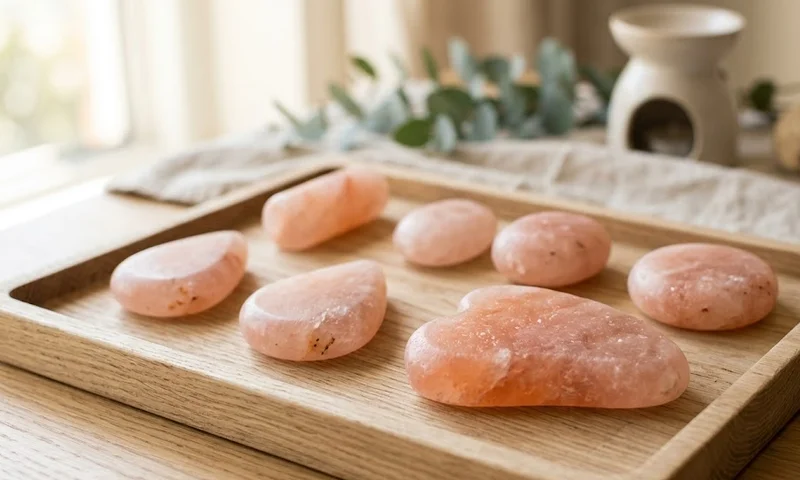
Salt massage stones are typically carved from Himalayan salt crystal into smooth shapes designed to glide comfortably over the skin. Unlike the dark basalt stones used in traditional hot stone massage, which are naturally smooth volcanic rock, salt stones have a slightly textured surface. Some therapists use this texture to add a light exfoliating element to the massage session. Salt stones also come in a range of shapes for different body parts. Larger flat stones are used for broad areas like the back and thighs. Smaller contoured stones are shaped for hands, feet, and the face. The natural pink color of the stones also looks very beautiful and calming in a professional spa setting.
How to Use Salt Massage Stones: Warming Them Right
Most salt stones are used warm, though not hot. A stone warmer designed specifically for salt stones is the safest option. Salt behaves differently from basalt when heated and can be sensitive to rapid temperature changes. Salt stones should generally be warmed to a temperature that feels pleasantly warm to the inner wrist. This is roughly comparable to a warm bath, somewhere around one hundred to one hundred fifteen degrees Fahrenheit.
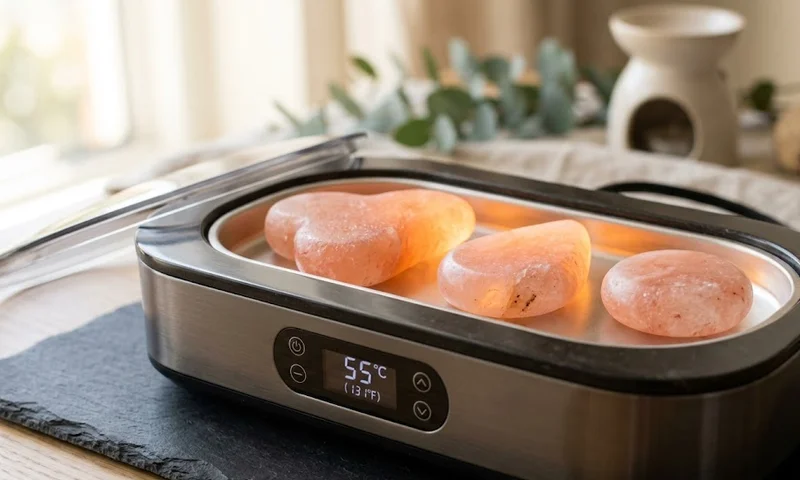
Never heat salt stones in a microwave or on direct stovetop heat. Uneven heating can cause them to crack or produce hot spots that could burn the skin. A dedicated warmer allows for slow, even heating and keeps the stones at a stable temperature throughout the entire session. Always keep the warmer covered when not in use to retain heat and protect the stones from room humidity.
Preparing the Client and the Room
Before beginning, explain to the client what to expect. Let them know the stones will feel warm and slightly textured. Confirm they have no known sensitivities to salt or any open skin issues in the areas to be treated. Setting the room at a comfortable temperature helps prevent the stones from cooling too quickly once applied to the skin. You want the environment to feel calm and relaxing from the moment they walk in. Dimming the lights and playing soft music can also help the client settle in and fully enjoy the therapeutic benefits of the warm stones on their muscles.
Basic Massage Technique
Start with long, gliding strokes along larger muscle groups such as the back, shoulders, and legs. Use enough massage oil to allow the stone to move smoothly without dragging on the skin. A light, unscented carrier oil works well since it will not compete with any aromatherapy elements you may be using. The flat surfaces of the stones work well for broad strokes. The edges and points are useful for targeting smaller areas like the hands, feet, or along the spine. Apply moderate, even pressure rather than pressing hard.
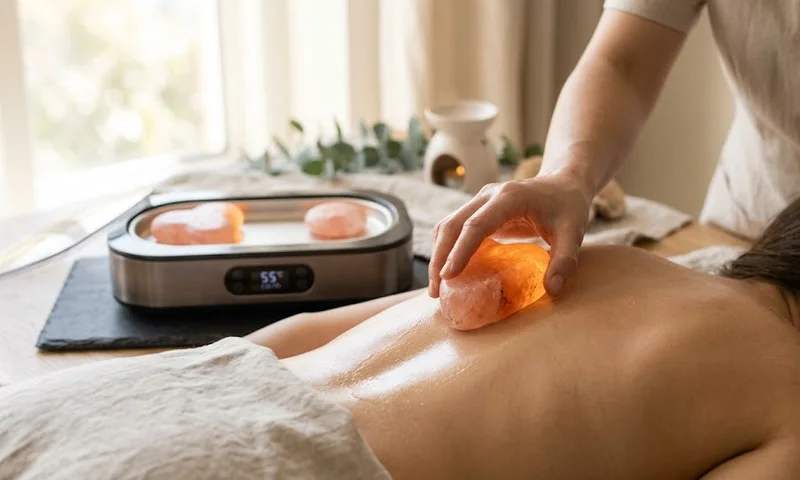
Let the combination of warmth and gentle friction do the work. Many therapists alternate between salt stones and their hands throughout the session to vary the sensation. Reheating stones periodically by returning them to the warmer while using a second set helps maintain a consistent temperature. Always check in with the client verbally to ensure the pressure and temperature are perfect for their specific needs.
Working on Specific Body Areas
For the back, use broad sweeping strokes from the lower back up toward the shoulders. Follow the natural direction of the muscle fibers. For hands and feet, smaller stones or the rounded edge of a larger one can apply gentle circular pressure to areas that hold tension. On the face, only very smooth and specifically designed facial stones should be used. Use extremely light pressure and a cooler temperature than the rest of the body since facial skin is far more sensitive. When you use these natural minerals on the skin, it can be a great addition to a relaxing routine, much like learning how to use himalayan bath salt for a calming soak at home.
Safety Rules for Therapists
Always test the temperature of a stone against your own skin before placing it on a client. Avoid using salt stones on broken skin, sunburn, or areas with active rashes. The salt residue combined with oil can cause stinging or irritation. Clients with very sensitive skin may want a patch test first on a small area before a full session. Avoid direct use over bony areas without a barrier of cloth. Never leave a heated stone stationary on the skin for an extended period. It is also worth asking clients about any known salt sensitivities, high blood pressure, or pregnancy beforehand to ensure the treatment is completely safe and comfortable for them.
Caring for Your Salt Stones
After each session, wipe stones down with a damp cloth to remove oil and residue. Allow them to air dry completely before storing. Avoid soaking salt stones in water for extended periods. Salt is porous and can slowly dissolve or crack if left wet too long. Store them in a dry container away from humidity. This is very similar to learning how to clean salt lamp pieces, where keeping moisture away is the most important rule for preservation.
Inspect stones periodically for cracks. A stone that develops a visible crack should be retired from client use since cracks can widen with repeated heating and cooling cycles. Even though these stones are made from the same natural material you might use when cooking with himalayan pink salt, they are strictly for external spa use and should never be ingested or used on food. You can also use a soft brush to gently clean any textured areas.
Final Thoughts
Salt massage stones offer a relaxing alternative to standard hot stone treatments. They combine gentle warmth, a distinctive texture, and an elegant natural appearance that clients often find memorable. With the right warming equipment, gentle technique, careful attention to skin sensitivity, and proper aftercare, they can become a reliable addition to any massage practice. They also make a thoughtful upgrade to an at home self care routine. Taking the time to learn the proper methods ensures your clients get the best possible experience every single time they book a session with you. It is a wonderful way to bring natural elements into your wellness practice.
FAQs
Are salt stones the same as Himalayan salt lamps
No. Massage stones are shaped and polished specifically for skin contact. They are not wired for light. Decorative salt lamps are carved primarily for appearance and illumination rather than handling.
How long does a salt massage session usually take
Most salt stone massages run sixty to ninety minutes, similar to a traditional hot stone massage. Shorter add on sessions of twenty to thirty minutes focused on the back, hands, or feet are also common at many spas.
Can salt stones be used at home
Yes, with a proper stone warmer and basic technique, salt stones can be used for self massage or between partners. Professional training helps considerably with deeper therapeutic work and proper temperature control.
Do salt stones need to be replaced often
With proper care, avoiding prolonged soaking and storing them dry, a good set of salt stones can last a long time in professional use. Heavy daily use will naturally wear them down faster than occasional home use.
What oil is best to use with salt stones
A light, unscented carrier oil works best. It allows the stone to glide smoothly without competing with any aromatherapy elements you might be using during the treatment.