

Flaxseed nutrition facts are worth understanding because flaxseeds have been eaten by humans for thousands of years. They are among the oldest cultivated crops in history. Today you find them in the health food aisle of most grocery stores. Many people buy them without really knowing what is inside or how to eat them to actually get the nutritional benefit. This article gives you a complete and honest breakdown of what is in flaxseeds along with practical tips on how to include them in your daily food.
What Are Flaxseeds
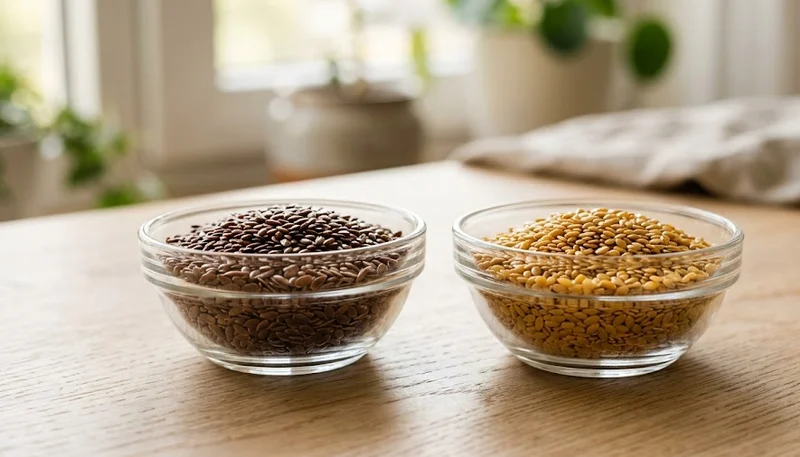
Flaxseeds come from the flax plant. The plant has been grown for food and fiber for over five thousand years and is cultivated in many parts of the world. The seeds are small, flat, and oval with a smooth and shiny surface. They come in two main varieties which are brown and golden. Both have very similar nutritional profiles. You can buy flaxseeds whole, ground into a powder called flaxseed meal, or pressed into flaxseed oil. Each form has different practical uses and different bioavailability. Bioavailability is how well your body can actually absorb and use the nutrients inside.
Flaxseed Nutrition Facts Per 28 Grams
One ounce or 28 grams of whole flaxseeds contains specific nutrients.
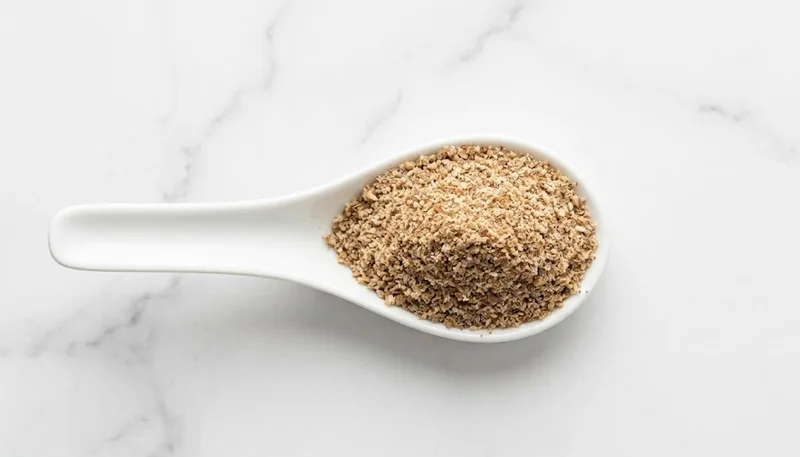
Calories: 152 Total fat: 12 grams, of which about 6.5 grams are omega 3 fatty acids Carbohydrates: 8.2 grams Fiber: 7.6 grams Protein: 5.2 grams Thiamine: 0.5 milligrams, about 39 percent of the daily value Magnesium: 110 milligrams, about 26 percent of the daily value Phosphorus: 180 milligrams, about 14 percent of the daily value Copper: 0.3 milligrams, about 33 percent of the daily value Manganese: 0.7 milligrams, about 30 percent of the daily value
The flaxseed nutrition facts highlight that this seed is particularly rich in fat, mostly the healthy omega 3 type, fiber, and several important minerals. These numbers show why adding a small amount to your daily meals can make a big difference for your overall health.
Whole vs Ground Flaxseeds: A Key Practical Point
This is one of the most important things to know about flaxseed nutrition. Whole flaxseeds have a very hard outer shell that your digestive system often cannot fully break down. If you eat them without chewing thoroughly, many may pass through your body intact. You will not absorb most of the nutrients inside. Ground flaxseeds, sometimes sold as milled flaxseeds or flaxseed meal, already have the outer shell broken. This makes the nutrients much more accessible. Most experts recommend eating ground flaxseeds rather than whole ones to actually get the benefit. If you buy whole flaxseeds, grind them in a coffee grinder just before use. Ground flaxseeds go bad faster, so store any pre ground flaxseeds in a sealed container in the refrigerator.
Omega 3 Fatty Acids in Flaxseeds
Flaxseeds are one of the richest plant sources of alpha linolenic acid, which is the plant form of omega 3. One ounce of ground flaxseeds provides about 6.5 grams of this healthy fat. As with other seeds, it is important to know that this plant omega 3 is not the exact same as the omega 3 found in fish oil. Your body converts some of the plant version into the types found in fish, but the conversion rate is limited. Flaxseeds are a meaningful source of plant omega 3 but work best as part of a varied diet that includes other healthy fat sources if you specifically need to raise your overall levels.
Lignans in Flaxseeds
Flaxseeds are the richest known dietary source of lignans. These are plant compounds called polyphenols. Lignans act as phytoestrogens, meaning they have a structure similar to estrogen and can interact weakly with estrogen receptors in the body. Research into lignans is ongoing, but they are also recognized as antioxidants that help protect cells. Flaxseed lignans are found mainly in the outer shell of the seed. This means ground flaxseeds retain more lignans than flaxseed oil, which is pressed from the inner part of the seed and contains very little lignan content. Eating the whole ground seed is the best way to get these specific plant compounds.
How to Add Flaxseeds to Your Daily Food

Ground flaxseeds blend easily into many foods with minimal impact on flavor. Stir a tablespoon or two into oatmeal, yogurt, or a smoothie. Mix them into pancake, muffin, or bread batter. Add them to homemade granola. Sprinkle them on salads. When you are cooking with himalayan pink salt, you can also sprinkle some ground flaxseeds over your finished dishes for an extra crunch. In baking, ground flaxseeds can replace eggs. Mix one tablespoon of ground flaxseeds with three tablespoons of water and let sit for five minutes. The mixture thickens into a gel. Flaxseed oil is best used raw, drizzled over finished dishes. Do not use it for cooking over heat because high temperatures break down the healthy fats quickly. For more detailed nutritional breakdowns of plant based seeds, our articles on chia seeds nutrition facts and arrowroot powder nutrition facts cover two other widely used natural food ingredients.
Flaxseeds and Digestive Health

The combination of soluble and insoluble fiber in flaxseeds makes them one of the more effective whole food options for supporting digestive regularity. Insoluble fiber adds bulk and helps food move through the digestive tract. Soluble fiber slows digestion and feeds the beneficial bacteria in the large intestine. Some people find that adding ground flaxseeds to their diet helps with constipation in a gentle way. If you are new to flaxseeds, start with one teaspoon per day, and increase gradually over two weeks. Adding too much fiber too quickly can cause gas and bloating. Drinking enough water is also important when increasing fiber intake. Fiber absorbs water as it moves through the digestive tract, so staying well hydrated supports the fiber in doing its job.
Flaxseeds During Pregnancy
The research on consuming flaxseeds during pregnancy is not fully settled. Some older animal studies raised questions about the phytoestrogen content of flaxseeds and potential effects during pregnancy. Most current human evidence does not show concern at normal dietary amounts. However, because the research is not conclusive, many healthcare providers suggest pregnant women moderate their intake of flaxseeds and avoid very high amounts. If you are pregnant and enjoy flaxseeds as part of your regular diet, the sensible approach is to keep amounts moderate. This means one to two tablespoons per day. Always discuss any concerns with your midwife or doctor to be completely safe.
Flaxseed Oil vs Whole Flaxseeds
Flaxseed oil is made by cold pressing flaxseeds to extract the fat. It is very high in plant omega 3, with around 7 grams per tablespoon. However, flaxseed oil does not contain the fiber or lignans found in whole or ground flaxseeds because those compounds stay in the solid part of the seed after pressing. This means that if you want the full range of benefits from flaxseeds, including fiber, lignans, and omega 3, you should eat ground flaxseeds rather than just using the oil. The oil is useful as a concentrated healthy fat source, especially drizzled over food, but it is a different product with a different nutritional profile.
Final Thoughts
The flaxseed nutrition facts confirm that flaxseeds are one of the most nutritionally dense seeds you can add to your diet. Plant omega 3, high fiber, lignans, and key minerals make them genuinely useful. The single most important practical tip is to eat them ground rather than whole so your body can actually absorb what is inside. Start with one to two tablespoons per day added to food you already eat. You will barely notice them while your body benefits from everything they contain. Keeping a bag of ground flaxseed in your fridge makes it easy to stir into your morning routine.
FAQs
What is the best way to eat flaxseeds to get the most nutrients
The best way is to eat them ground. Whole flaxseeds have a hard outer shell that your body cannot fully break down. Grinding them releases the healthy fats, fiber, and proteins so your digestive system can actually absorb them.
How much flaxseed should I eat every day
One to two tablespoons of ground flaxseed per day is a good amount for most adults. This gives you a solid dose of fiber and omega 3 without adding too many calories to your daily meals.
Can I cook with flaxseed oil
No, you should not cook with flaxseed oil. The healthy fats in the oil break down very quickly when exposed to high heat. It is best used raw, drizzled over salads or stirred into dips after cooking.
Do I need to keep ground flaxseed in the fridge
Yes, ground flaxseed goes bad much faster than whole seeds because the healthy fats are exposed to air. Keeping it in a sealed container in the refrigerator or freezer will keep it fresh and prevent it from tasting bitter.
Are brown flaxseeds better than golden flaxseeds
Both brown and golden flaxseeds have almost the exact same nutritional profile. The only real difference is the color and a very slight difference in taste. You can choose whichever one you prefer or whichever is easier to find in your store.