

Chia seeds nutrition facts show that this tiny seed packs a surprising amount of nutrition into a very small serving size. Chia seeds have been eaten in Central and South America for a very long time. Today you find them in grocery stores everywhere. But what is actually in them? This article gives you the full nutritional picture of chia seeds along with practical information on how to use them in everyday food.
What Are Chia Seeds
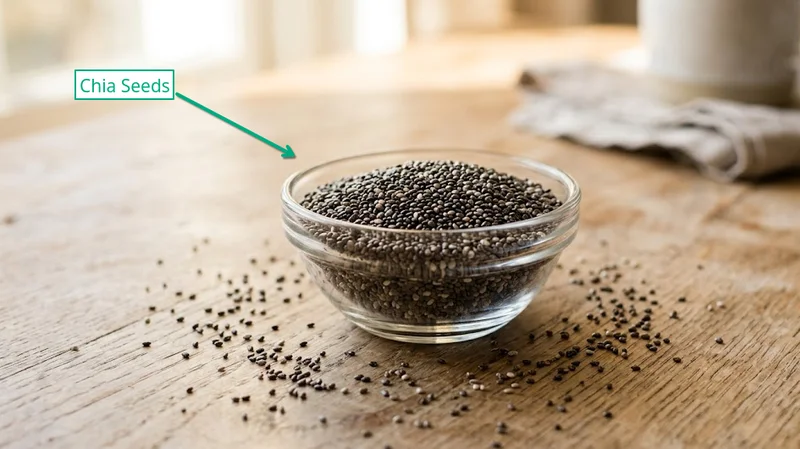
Chia seeds come from a plant called Salvia hispanica. This plant is native to Mexico and Guatemala and belongs to the mint family. The seeds are tiny and oval shaped. They can be black, white, or gray with small dark spots. When soaked in liquid, chia seeds absorb up to ten times their weight in water. They form a thick gel around each seed. This gel forming quality is what makes them useful in puddings, smoothies, and as an egg substitute in some baking recipes. Long ago, ancient warriors used these seeds for energy during long journeys.
Chia Seeds Nutrition Facts Per Two Tablespoons
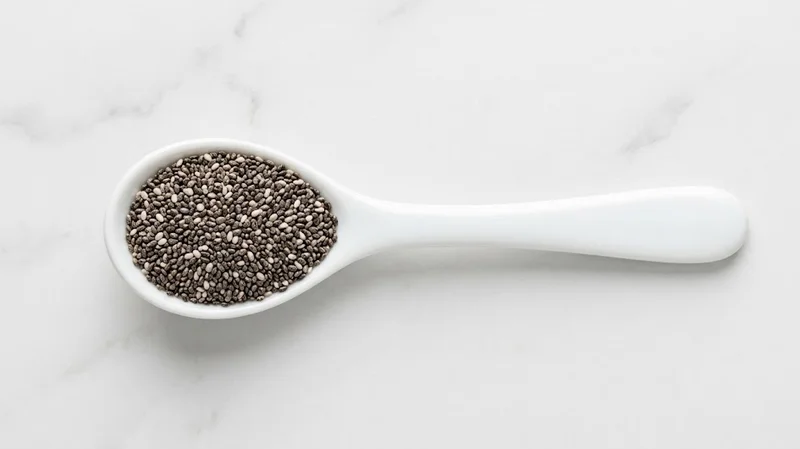
A standard serving is about 28 grams, which is roughly two tablespoons. Here are the exact chia seeds nutrition facts for that amount.
Calories: 138 Total fat: 8.7 grams, of which about 6.5 grams are omega 3 fatty acids Carbohydrates: 11.9 grams Fiber: 9.8 grams Protein: 4.7 grams Calcium: 177 milligrams Phosphorus: 265 milligrams Magnesium: 95 milligrams Zinc: 1 milligram
These numbers are genuinely impressive for a two tablespoon serving. The fiber, calcium, magnesium, and omega 3 content stand out as particularly significant. When you look at your daily nutrition goals, understanding how much sodium per day you need helps you see where chia seeds fit into a balanced diet.
Fiber Content
The fiber content is one of the most notable parts of chia seeds nutrition. About 9.8 grams of fiber in a single two tablespoon serving is meaningful when most adults should aim for 25 to 38 grams of fiber per day. Two tablespoons of chia seeds covers roughly 25 to 40 percent of that daily target in one small serving.
Most of the fiber in chia seeds is soluble fiber. This type absorbs water and forms the gel chia seeds are known for. Soluble fiber slows digestion, which helps you feel full longer and feeds the beneficial bacteria in your gut. The rest of the fiber is insoluble, which helps keep your digestive system moving smoothly.
Omega 3 Fatty Acids
Chia seeds are one of the richest plant based sources of omega 3 fatty acids available. One serving contains about 5 grams of alpha linolenic acid, which is the plant form of omega 3.
It is worth knowing the difference between plant omega 3 and the omega 3 in fish. The omega 3 in chia seeds is ALA. The omega 3 in fish is EPA and DHA. Your body can convert some ALA into EPA and DHA, but the conversion rate is low, typically between 5 and 10 percent. Chia seeds are a valuable plant source of omega 3, but they are not a complete substitute for fish or fish oil if you specifically need to raise EPA and DHA levels.
Protein and Calcium
With about 4.7 grams of protein per two tablespoon serving, chia seeds are a useful plant protein source. They are also a complete protein, containing all nine essential amino acids that the human body cannot make on its own. This is uncommon for a plant food.
The calcium content is also notable. Two tablespoons of chia seeds provide about 177 milligrams of calcium, which is more than the calcium in half a cup of milk. For people who do not consume dairy, chia seeds are one of the better plant based calcium sources available. The magnesium and phosphorus also support strong bones and teeth.
How to Add Chia Seeds to Your Diet
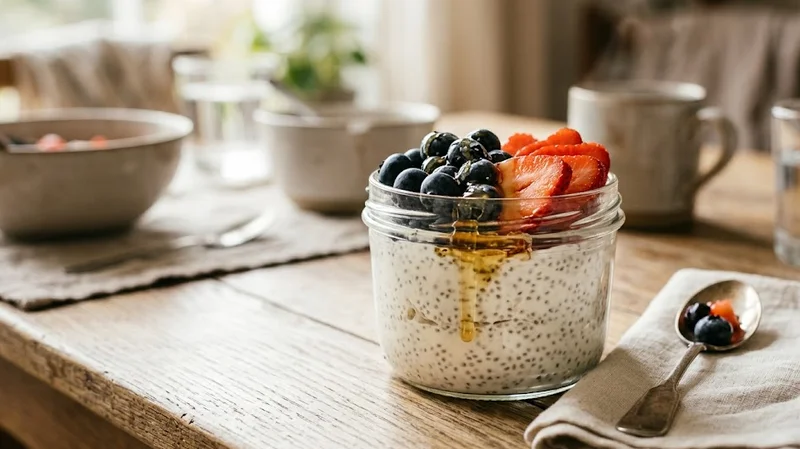
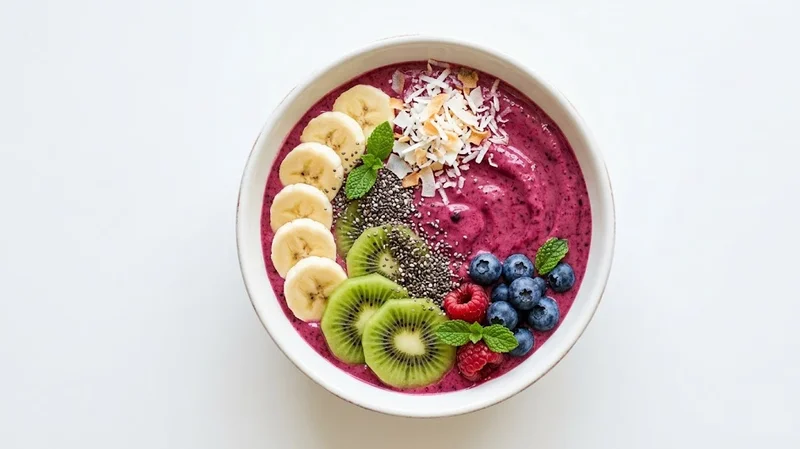
Chia seeds have a neutral, slightly nutty flavor that barely registers in most recipes. Stir them into yogurt or oatmeal. Mix them into smoothies. Soak them in milk overnight for chia pudding. Add them to pancake or muffin batter. Sprinkle them on salads or grain bowls.
To use them as an egg substitute in baking, mix one tablespoon of chia seeds with three tablespoons of water. Let the mixture sit for five to ten minutes until it forms a gel. This works as a binder in many recipes in place of one egg.
For more plant based food nutritional breakdowns, check our articles on arrowroot powder nutrition facts which covers another popular natural kitchen ingredient in similar detail. When you are cooking with Himalayan pink salt, you can sprinkle a pinch over chia pudding to balance the flavors and add natural minerals to your meal.
Chia Seeds and Blood Sugar
One of the more interesting aspects of chia seeds nutrition is their potential effect on blood sugar levels. The high soluble fiber content slows the rate at which food is digested and glucose enters the bloodstream. This means eating chia seeds alongside a meal may help reduce the blood sugar spike that typically follows eating carbohydrate rich food.
Research on this is still developing, but several small studies have shown that adding chia seeds to meals containing refined carbohydrates reduced post meal blood sugar rises compared to the same meal without chia seeds. For people managing blood sugar through diet, this is worth noting, though chia seeds are a dietary tool and not a treatment for any medical condition.
Chia Seeds and Weight Management
Because chia seeds are high in fiber and absorb a large amount of water, they expand in your stomach after eating. This can contribute to a feeling of fullness that lasts longer than you might expect from such a small serving. Many people find that adding chia seeds to breakfast keeps them feeling satisfied for longer into the morning.
However, it is worth keeping the calorie content in mind. A two tablespoon serving of chia seeds has about 138 calories, mostly from fat. That is not a large amount, but if you are adding chia seeds to already calorie dense foods like full fat yogurt or nut butter, the calories add up. Chia seeds work best as a nutritional addition to balanced meals rather than as a standalone weight loss solution.
How to Store Chia Seeds
Chia seeds store very well compared to some other seeds because their natural antioxidant content helps protect them from going rancid. Whole chia seeds can be stored in a sealed container at room temperature for up to two years. Ground chia seeds, if you grind them, should be stored in a sealed container in the refrigerator and used within a few weeks.
If you buy chia seeds and notice a strong, unpleasant smell when you open the bag, they have likely gone rancid and should be discarded. Fresh chia seeds have a very mild, neutral smell. Keep them away from direct sunlight and heat to maintain their freshness.
Final Thoughts
The chia seeds nutrition facts make a strong case for including this seed in your regular diet. High fiber, plant omega 3, complete protein, and significant calcium and magnesium, all in two tablespoons. For such a small seed, that is a genuinely useful nutritional profile.
They are also easy to use because they blend into almost any food without changing the flavor noticeably. If you want to add more fiber, calcium, or plant based fat to your diet, chia seeds are one of the simplest and most flexible ways to do it. Start with one tablespoon a day and work your way up to two tablespoons as your body adjusts to the extra fiber.
FAQs
How much chia seeds should I eat daily
One to two tablespoons a day is a good amount for most people. This gives you a nice boost of fiber and nutrients without adding too many calories. If you are new to eating them, start with one tablespoon so your body can get used to the extra fiber.
Do I need to soak chia seeds before eating them
You do not have to soak them, but it is a very good idea. When you soak chia seeds in water or milk, they form a gel that makes them easier to digest. If you eat them dry, make sure you drink plenty of water so they can expand properly in your stomach.
Can chia seeds help me lose weight
Chia seeds can help you feel full longer because they are high in fiber and absorb a lot of water. This might stop you from overeating. However, they are not a magic weight loss food. They work best when you add them to a healthy diet and watch your overall calorie intake.
What is the difference between black and white chia seeds
There is very little difference between black and white chia seeds. They come from the same plant and have almost the exact same nutrition facts. The color just depends on where the plant was grown and the natural soil conditions. You can buy whichever color you prefer or find in the store.
How long do chia seeds last in the pantry
Whole chia seeds can last up to two years if you keep them in a sealed container in a cool and dry place. They have natural antioxidants that keep them from going bad quickly. If you grind the seeds into a powder, keep them in the fridge and use them within a few weeks for the best flavor.