
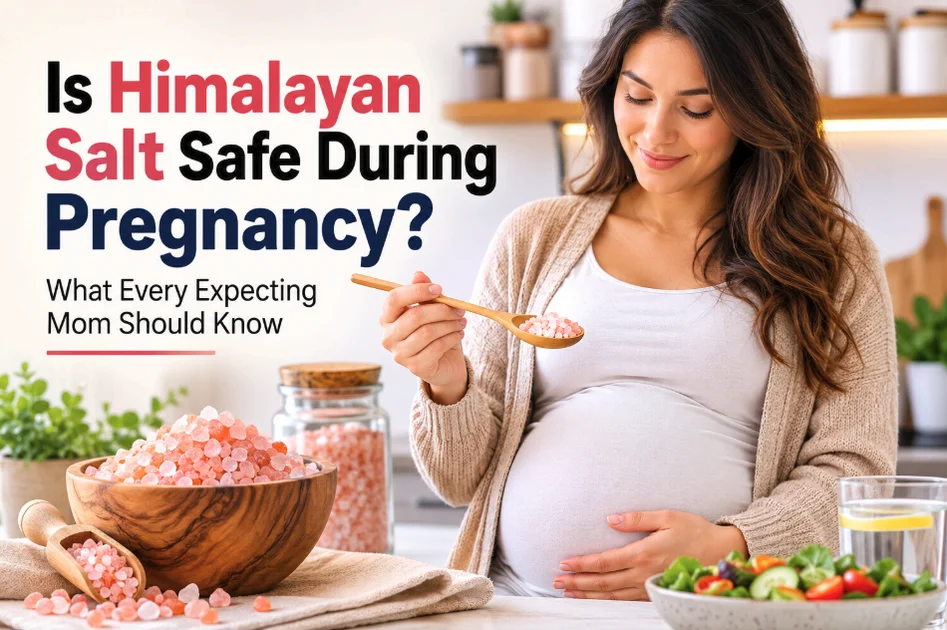
Is himalayan salt safe during pregnancy? This is a question many expecting mothers ask when they look at their kitchen shelves. Pregnancy often makes people rethink everything they eat and use. If you enjoy pink salt and are now expecting, you might wonder if it is safe to keep using it. Or maybe you’re thinking about switching back to regular white table salt for the next several months. The short answer is that himalayan salt is generally fine during pregnancy when used in normal cooking amounts. However, there are a few details to know before deciding what works best for you. Knowing these facts helps you make an informed choice instead of relying on guesswork.
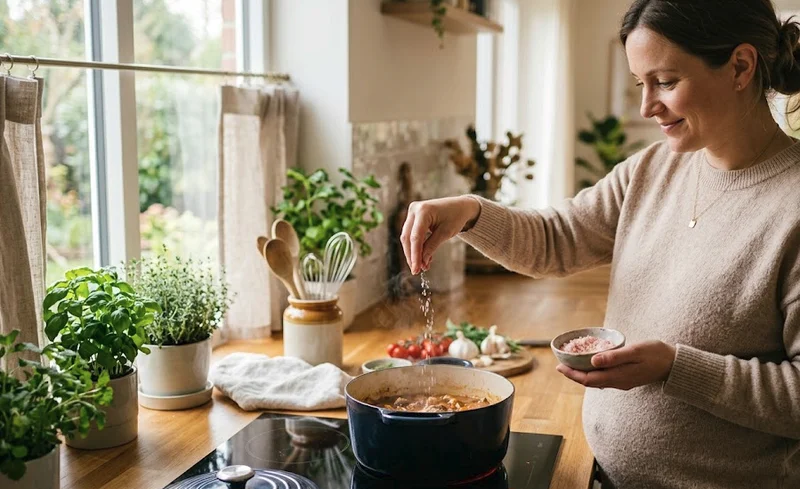
Sodium Needs During Pregnancy
Sodium is a mineral your body needs to regulate fluid balance, nerve function, and muscle activity. During pregnancy, your sodium needs increase slightly because your blood volume grows as your baby develops. By the third trimester, blood volume can increase by as much as 50 percent. Even so, most guidelines recommend keeping sodium intake below 2,300 milligrams per day unless your doctor has given different advice for a condition like preeclampsia or gestational hypertension.
Himalayan salt contains nearly the same amount of sodium as regular table salt. That means switching from one to the other does not affect your daily sodium intake in any noticeable way. Gram for gram, both provide almost the same amount of sodium.
The Iodine Question
Iodine is needed during pregnancy because your baby depends on it for brain and nervous system growth. Your iodine needs also increase during this time. Most pregnant women need about 220 micrograms per day, compared with about 150 micrograms for adults who are not pregnant.
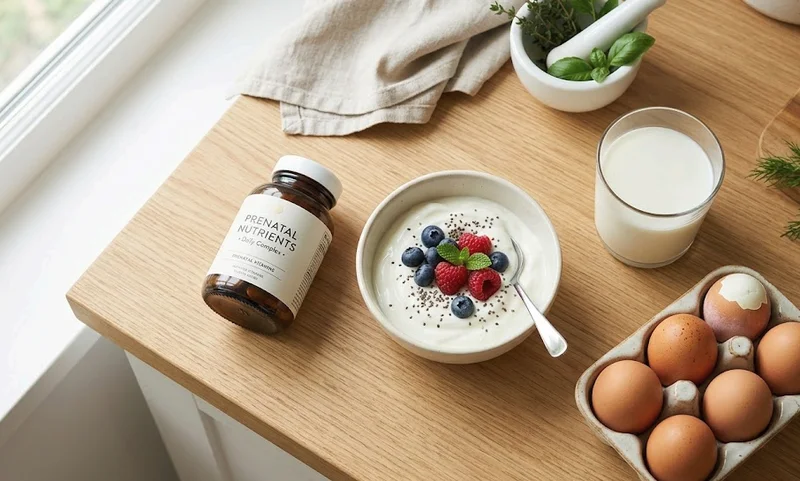
Most himalayan salt is not fortified with iodine. If it is the only salt you use at home, you may not be getting enough iodine from it. This can be a concern because your body needs more iodine during pregnancy. Many prenatal vitamins include iodine to help meet daily needs. You can also get iodine from foods like dairy products, seafood, and eggs. Another option is to use iodized salt for some of your cooking while still enjoying pink salt. If you use himalayan salt most of the time, check whether your prenatal vitamin contains iodine, since not every brand includes it.
Is There Anything Uniquely Risky
No, there is no evidence that himalayan salt itself poses a special risk during pregnancy. The concerns are the exact same ones that apply to salt in general. The main goals are managing your total sodium intake and making sure your iodine needs are met. This matters even more during pregnancy because of the developmental needs of your baby. There is absolutely nothing about the mining process, the natural mineral content, or the pink color of himalayan salt that introduces a pregnancy specific danger. It is simply a natural form of sodium chloride.
Sodium and Pregnancy Complications
Some pregnant women develop conditions such as gestational hypertension or preeclampsia. Both of these conditions can involve closer monitoring of blood pressure. In some cases, your healthcare provider will give you specific dietary guidance around sodium intake. If you have been diagnosed with either of these conditions, your doctor individual recommendations should take priority over general guidelines. This applies regardless of which type of salt you are using in your kitchen. Himalayan salt is not a special exception in these medical cases. It should be treated the exact same as any other sodium source in your daily diet.
What About Himalayan Salt Baths or Lamps
Using himalayan salt in a bath soak is generally considered safe during pregnancy. It is always wise to avoid very hot water, which can raise your body temperature more than is recommended while pregnant. Overheating has been associated with certain risks, particularly in the first trimester. A warm, not hot, himalayan salt bath is typically fine for relaxation and easing muscle discomfort. If you want to learn more about this relaxing practice, our guide on how to use himalayan bath salt covers the right way to prepare a soothing soak.
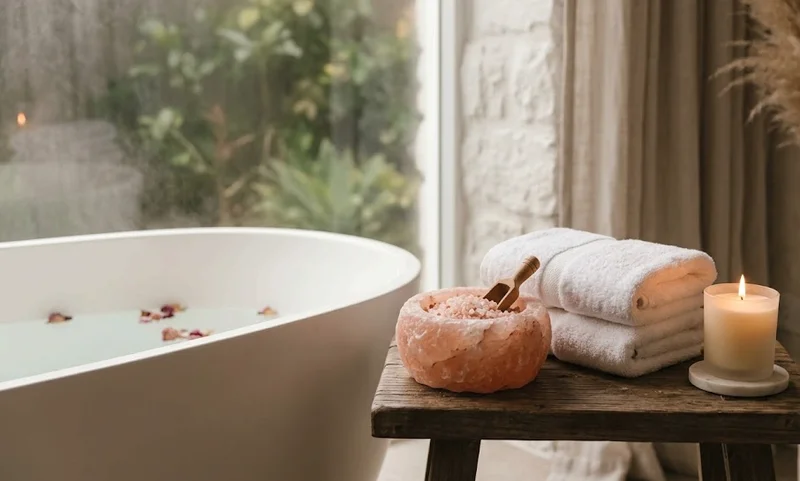
Himalayan salt lamps are purely decorative light fixtures. They have no dietary or sodium relevance at all. Therefore, they carry no pregnancy specific concern whatsoever. There is no connection between the presence of a salt lamp in a room and your dietary sodium intake. You can read more about the himalayan salt lamp benefits if you want to understand how they work. Feel free to keep enjoying one if you like the calming ambiance it creates in your home.
Practical Tips for Using Himalayan Salt While Pregnant
Continue seasoning your food to taste, just as you normally would. Do not feel the need to eliminate salt altogether. Sodium is a genuinely necessary nutrient during pregnancy. Pay close attention to hidden sodium in processed and packaged foods. This hidden sodium is typically a much larger contributor to your total daily intake than the salt you add yourself while cooking. If himalayan salt is your primary salt at home, make a point of including iodine rich foods regularly. Also, confirm your prenatal vitamin covers the gap. When you are cooking with himalayan pink salt, you can easily control the amount you add to your meals, which is much safer than relying on pre packaged restaurant foods.
When to Talk to Your Doctor
If you have high blood pressure, preeclampsia, gestational diabetes, or another condition for which your doctor has given you specific advice about sodium, follow that advice. If you have any questions about the type or amount of salt you use, bring them up during a prenatal appointment. It’s also a good idea to mention strong cravings for salty foods. Salt cravings are common during pregnancy, but if they feel unusually intense or different from what you normally experience, your doctor can help determine whether they need further attention.
Cravings, Nausea, and Salty Foods
Many pregnant people, especially during the first trimester, find themselves craving salty foods more often than usual. For some, this is a natural response to nausea. There is no strong evidence that these cravings increase your sodium needs beyond the small rise that already occurs during pregnancy. Even so, it helps to pay attention to where your sodium comes from. Craving plain salty crackers or pretzels is different from regularly eating heavily processed, high-sodium snack foods. When possible, choosing simpler, less processed options can satisfy the craving without adding excessive amounts of sodium.
Final Thoughts
Himalayan salt is generally safe to enjoy during pregnancy when used in normal cooking amounts, just like any other salt. Keep an eye on your overall sodium intake and stay within the recommended daily limit unless your doctor advises something different. It’s also a good idea to get enough iodine from foods or your prenatal vitamin, since most himalayan salt does not contain it. With those points covered, there’s usually no need to stop using your favorite pink salt during pregnancy.
Every pregnancy is different, so general recommendations cannot replace advice from your own healthcare provider. If questions or concerns come up along the way, bring them up at your prenatal visits so you can get guidance based on your own situation.
FAQs
Can pregnant women eat pink himalayan salt
Yes, in normal cooking amounts it is considered safe. It has the same sodium considerations that apply to any salt during pregnancy. There is no evidence suggesting it poses any unique risk to a developing baby.
Is himalayan salt better than table salt during pregnancy
Not particularly. The main practical difference is that table salt is often iodized. This can actually be an advantage during pregnancy since iodine needs increase and many prenatal diets can otherwise fall short.
Should I avoid salt completely while pregnant
No, sodium is an essential nutrient and needs actually rise slightly during pregnancy to support increased blood volume. The goal is moderation, not elimination, unless a doctor advises otherwise for a specific medical reason.
Do himalayan salt lamps affect pregnancy
No, himalayan salt lamps are purely decorative. They have no connection to dietary sodium intake and carry no pregnancy specific concerns. They are completely safe to have in your home for ambiance.