
Pink Himalayan salt nutrition facts are something a lot of people want to understand because this salt has become one of the most popular natural food products in kitchens around the world. You see it on restaurant tables, in specialty grocery stores, and in online food shops everywhere. But what is actually in it? Is it nutritionally different from regular table salt? And does the pink color mean it is better for you? This article gives you factual answers based on what is actually in the salt, without exaggeration or marketing language. We will look at the real numbers so you know exactly what you are putting into your meals.
Where Pink Himalayan Salt Comes From
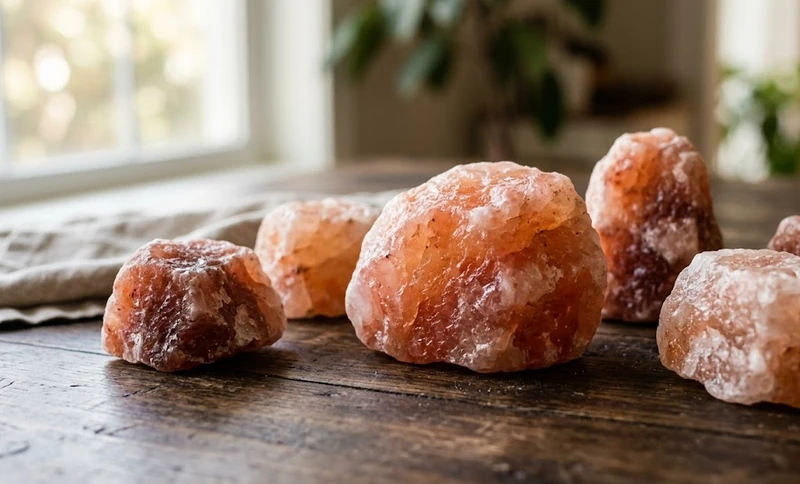
Himalayan pink salt is mined from the Khewra Salt Mine in the Punjab region of Pakistan. This mine sits in the Salt Range mountains near the Himalayas and is one of the largest and oldest salt mines in the world. The salt deposits are estimated to be around 250 million years old. They formed when ancient inland seas evaporated and left behind massive salt beds that were gradually compressed by rock above them.
The salt is mined by hand, washed, dried, and minimally processed. It is not bleached or refined the way regular table salt typically is. This minimal processing is why it keeps its natural pink color and trace mineral content. Because it comes from deep underground, it stays protected from modern pollution.
The Real Pink Himalayan Salt Nutrition Facts
Most nutrition labels for pink Himalayan salt use a quarter teaspoon as the serving size, which is about 1.5 grams. Here is what the pink Himalayan salt nutrition facts show for that exact amount.
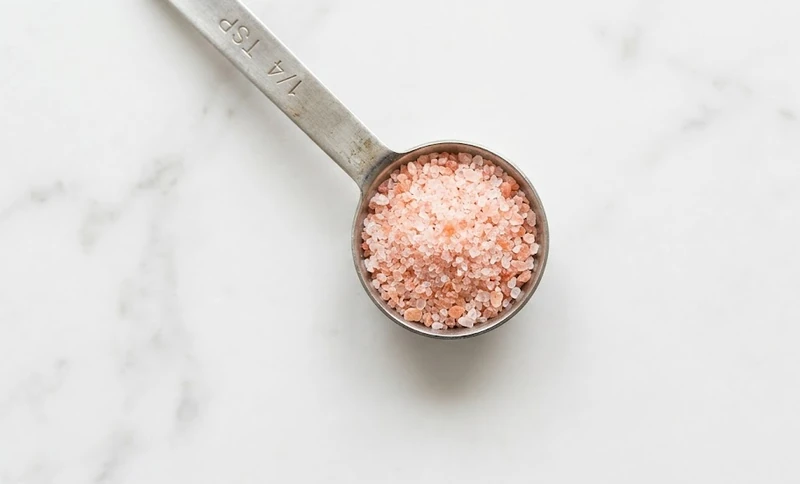
Calories: 0 Total fat: 0 grams Carbohydrates: 0 grams Protein: 0 grams Sodium: approximately 420 to 480 milligrams depending on grind size and how tightly the spoon is packed
That is the standard label information. Sodium is the only significant nutritional figure. Like all salts, Himalayan pink salt has no calories, no fat, and no carbohydrates. When you look at the label, you are mostly just looking at sodium. Remember this when you are tracking your daily intake.
What About the Trace Minerals
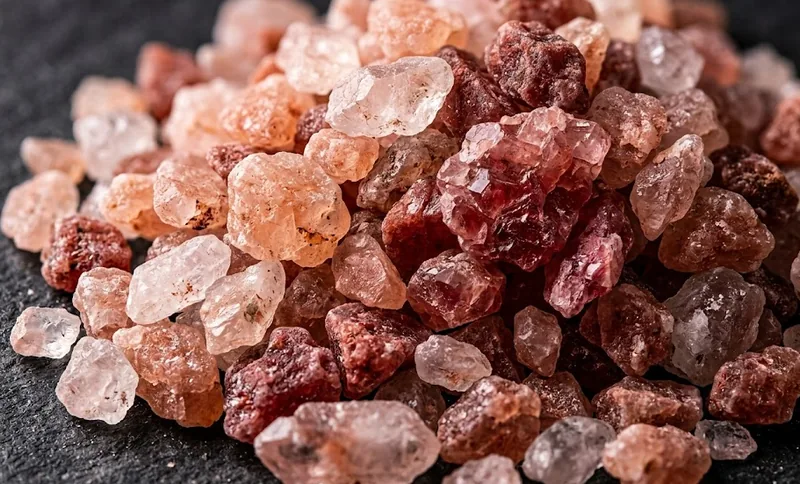
Standard nutrition labels do not list trace minerals because the individual amounts are too small to include. However, laboratory analysis of Himalayan pink salt has confirmed the presence of over 80 trace minerals including iron, magnesium, potassium, calcium, zinc, iodine, selenium, and others. Iron is what gives the salt its pink color. Iron oxide, the same compound that creates rust, produces the pink and reddish tones visible in the crystals.
That said, the amounts of these trace minerals are very small in practical terms. To get a nutritionally meaningful daily dose of most of these minerals from Himalayan pink salt alone, you would need to consume around 100 grams of salt per day. That is roughly 20 teaspoons, which is far beyond any safe or sensible intake level. This does not mean the trace minerals have no value. It means you should think of them as a small bonus, not as a reason to use more salt or treat Himalayan salt as a mineral supplement. Minerals come from whole foods, not from the salt you use to season it.
Pink Himalayan Salt vs Table Salt: Sodium Comparison
Many people ask whether pink Himalayan salt is lower in sodium than regular table salt. By weight, both contain about the same amount of sodium because both are approximately 98 percent sodium chloride. The trace minerals in Himalayan salt make up roughly two percent or less of the total composition.
There is one practical difference when you use coarser salt. Coarse Himalayan salt crystals are larger than fine table salt granules. Because of this, the same volume of coarse pink salt contains less sodium by weight than fine table salt because the larger crystals leave more air gaps in the measuring spoon. This is not because the salt itself has less sodium. It is simply because you are using less actual salt when measuring coarse crystals by volume. If you want to understand more about the color and mineral differences, our guide on why is himalayan salt pink explains the science in very simple terms.
Does Pink Himalayan Salt Contain Iodine
Regular table salt in most countries is fortified with iodine, an essential nutrient that supports healthy thyroid function. Pink Himalayan salt contains naturally occurring iodine but only in very small amounts, far less than iodized table salt. If you switch entirely from iodized table salt to pink Himalayan salt, make sure you are getting enough iodine from other dietary sources like seafood, dairy products, and eggs. For most people eating a varied diet this is not a concern, but it is worth being aware of if you make the switch completely.
How to Use Pink Himalayan Salt in Your Kitchen
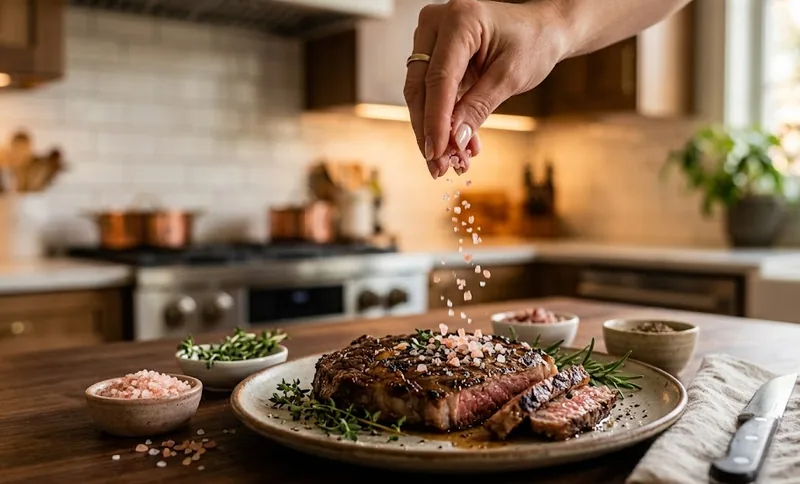
You use pink Himalayan salt exactly as you would use any other salt. Add fine ground pink salt to cooking water, soups, sauces, and marinades. Use coarse pink salt as a finishing salt to sprinkle on food right before serving for both texture and visual appeal. Use it in baking the same way you would use regular salt. For a full practical guide on using Himalayan salt in your kitchen, our article on cooking with himalayan pink salt covers everything from everyday seasoning to simple recipe ideas. And if you want to compare Himalayan salt directly against sea salt in terms of flavor, mineral content, and price, our himalayan salt vs sea salt comparison is a straightforward place to start.
Is Pink Himalayan Salt Better for You Than Table Salt
This is one of the most searched questions about pink Himalayan salt, and it deserves a direct and honest answer. Pink Himalayan salt is not dramatically healthier than regular table salt in a nutritional sense. Both are primarily sodium chloride and both contribute sodium to your diet in similar amounts per gram.
The real difference is what table salt has added to it versus what Himalayan salt does not have added. Regular table salt is usually bleached and refined and often contains anti caking agents to prevent clumping. Iodine is also added to most commercial table salt. Himalayan pink salt is minimally processed and contains none of those additives. It also retains its natural trace minerals. For most people, these differences are small from a health perspective. But if you prefer a cleaner, additive free salt, that is a legitimate reason to choose Himalayan pink salt over processed table salt. The flavor is also different in a way many people find more pleasing and less harsh.
How Much Pink Himalayan Salt Is Safe to Use Daily
The same sodium guidelines that apply to all salt apply to Himalayan pink salt. Most health guidelines recommend keeping daily sodium intake below 2300 milligrams. A quarter teaspoon of pink Himalayan salt contains roughly 420 to 480 milligrams of sodium, so most people using it normally in cooking will stay well within safe ranges as long as the rest of their diet is not overly high in processed food.
Using Himalayan pink salt as your cooking and finishing salt is a perfectly sensible choice. It is not a magical health product, but it is also not something to worry about when used in ordinary cooking amounts. Season your food to taste, enjoy the mild mineral flavor, and treat it as what it is: a good quality, natural salt with a long history of use. Always remember to balance your salt intake with plenty of fresh water and potassium rich foods like bananas and leafy greens.
How to Read the Label and Store Your Salt
When you pick up a package of pink salt, the nutrition label will look very similar to regular salt. Look at the sodium content per serving. If the brand adds any anti caking agents, they must be listed in the ingredients. Genuine pink Himalayan salt should only have one ingredient listed. To keep your salt in the best condition, store it in a cool, dry place away from moisture. Salt naturally pulls water from the air, so keep it in a sealed glass jar. If coarse salt gets clumpy, just break it apart with a spoon. It is still perfectly safe to eat.
Final Thoughts
The pink Himalayan salt nutrition facts tell a clear and honest story. This salt is primarily sodium chloride, just like any other salt. It has no calories, no fat, and no carbohydrates. It contains over 80 trace minerals in very small amounts, with iron being the one that gives it the distinctive pink color. It is a good quality, minimally processed salt that is a fine choice for any kitchen. Use it because you enjoy the flavor, the coarse texture, and the fact that it comes from a well known natural source with minimal processing. Those are genuinely good reasons to choose it for your daily meals.
FAQs
Does pink Himalayan salt have less sodium than regular table salt
By weight, they have almost the exact same amount of sodium. Both are mostly sodium chloride. The only difference is that coarse pink salt crystals are larger, so a spoonful of coarse salt actually contains less salt and therefore less sodium than a spoonful of fine table salt.
Can I get all my daily minerals from pink Himalayan salt
No, you cannot. While it does contain over 80 trace minerals, the amounts are incredibly small. You would have to eat a dangerous amount of salt to get your daily required vitamins and minerals. You should get your minerals from whole foods like vegetables, fruits, and nuts.
Does pink Himalayan salt have iodine in it
It has very tiny amounts of naturally occurring iodine, but not nearly enough to meet your daily needs. If you switch completely to pink salt and stop using iodized table salt, make sure you eat other iodine rich foods like seafood, dairy, or eggs.
Why is pink Himalayan salt more expensive than regular salt
It costs more because it is mined by hand from specific ancient deposits in Pakistan and requires minimal processing to keep its natural color and minerals. Regular table salt is heavily processed in large factories, which makes it much cheaper to produce.
Is pink Himalayan salt safe to use every day
Yes, it is perfectly safe for daily cooking as long as you keep your total sodium intake within the recommended daily limits. It is a natural, additive free salt that you can use just like any other salt in your kitchen.