
How much sodium per day is a question that confuses a lot of people. You hear advice to cut back on salt, but then you see sodium listed in all kinds of foods that do not even taste salty. How much is too much? And how much does your body actually need to function properly? This article answers those questions with real numbers and practical context so you understand what your daily sodium intake actually looks like and what to do about it.
What Sodium Does in Your Body

Sodium is an essential mineral. Your body cannot function without it. It helps regulate fluid balance, supports the electrical signals your nerves send throughout the body, and allows muscles including your heart to contract and relax properly. Every organ in your body depends on sodium being present in the right amounts.
The problem is not sodium itself. The problem is consistently eating too much of it, which is the far more common situation in most modern diets.
How Much Sodium Per Day Do Health Experts Recommend
The World Health Organization recommends that adults consume less than 2000 milligrams of sodium per day. That works out to about five grams of table salt.
The American Heart Association recommends no more than 2300 milligrams per day for most adults, and ideally closer to 1500 milligrams per day for people who already have high blood pressure or are at elevated risk for heart disease.
The US Dietary Guidelines for Americans also recommend staying below 2300 milligrams per day for adults and children over 14.
So the general range across major health guidelines is 1500 to 2300 milligrams of sodium per day depending on your age and health status.
How Much Sodium Do Most People Actually Eat
Here is the gap between recommendation and reality. Most adults in the United States eat around 3400 milligrams of sodium per day, which is roughly 50 percent more than the upper recommended limit. Similar patterns exist in many other countries with Western-style diets.
Importantly, this excess does not come mainly from the salt shaker on the table. Research consistently shows that about 70 to 75 percent of the sodium in most people’s diets comes from processed and packaged foods, not from salt added at home during cooking or at the table.
Where Sodium Hides in Everyday Food
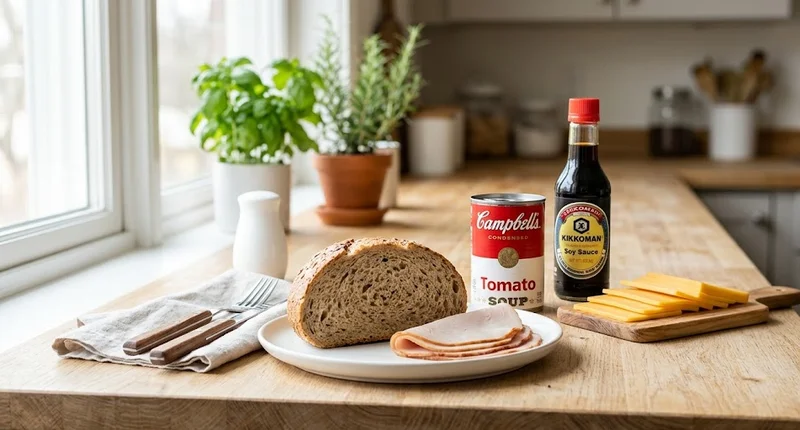
Bread and baked goods: A single slice of bread can have 100 to 200 milligrams of sodium. Eating a few slices throughout the day adds up quickly without anyone noticing.
Canned foods: Canned soups, beans, tomatoes, and vegetables often have 400 to 800 milligrams per serving. Choosing low sodium or no added salt versions cuts this significantly.
Deli meats and processed meats: A few slices of turkey or ham from the deli can have 400 to 600 milligrams. Cured meats like bacon and sausage are even higher.
Cheese: Many cheeses have 100 to 400 milligrams per serving. Processed cheese and cottage cheese tend to sit on the higher end.
Sauces and condiments: Soy sauce has around 900 milligrams per tablespoon. Ketchup, hot sauce, and most salad dressings also contribute meaningfully to daily totals.
Restaurant food: Restaurant meals are often very high in sodium because chefs season food heavily. A single restaurant meal can easily contain 1500 to 3000 milligrams, which can be an entire day’s worth or more.
What Happens If You Eat Too Much Sodium
Consistently eating too much sodium raises blood pressure in many people. High blood pressure puts extra strain on blood vessel walls and makes the heart work harder to pump blood. Over time, this raises the risk of heart disease, stroke, and kidney problems.
Not everyone responds to sodium in the same way. Some people are salt-sensitive, meaning their blood pressure rises more sharply in response to sodium than others. People who are older, or who already have high blood pressure, diabetes, or kidney disease tend to be more sensitive to sodium.
Short-term effects of eating a lot of sodium include water retention and bloating. When you eat a very salty meal, your body holds extra water to dilute the sodium in your bloodstream. This is why you might feel puffy the morning after a heavily salted dinner.
Simple Ways to Manage Daily Sodium Intake
Cook more at home. When you cook your own food, you control exactly how much sodium goes in. Even when you season food to taste at home, you will almost always use less sodium than processed or restaurant food contains.
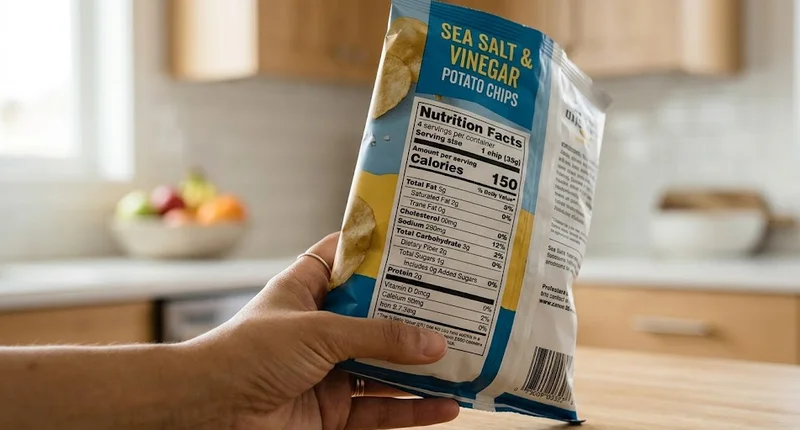
Read nutrition labels. Get in the habit of checking the sodium per serving on packaged foods. A simple guideline is to look for products where the sodium in milligrams is no more than the number of calories per serving.
Choose lower sodium versions. Most major food brands make reduced sodium or no added salt versions of their popular products. These taste very similar to the originals and can make a meaningful difference to your daily total over time.
Be thoughtful about the salts and seasoning ingredients you cook with. Understanding sodium in pantry staples helps you track your intake more accurately. Our breakdown of the nutrition facts of baking soda shows how much sodium that common baking ingredient contributes per teaspoon. And if you are choosing between different salts for your kitchen, our himalayan salt vs sea salt comparison puts the differences in plain context. For more ideas on adding flavor without excess sodium, our guide on cooking with himalayan pink salt offers simple tips for seasoning meals naturally.
Sodium and Hydration
Sodium and water balance are tightly connected in the body. When you eat more sodium than usual, your kidneys retain more water to dilute the extra sodium in your bloodstream. This is one reason why drinking enough water each day supports healthy blood pressure and kidney function alongside managing sodium intake.
People who exercise heavily or work in hot environments lose sodium through sweat. Athletes doing long-distance endurance events sometimes need to replenish sodium as well as fluids to prevent a condition called hyponatremia, which is dangerously low blood sodium caused by drinking too much plain water without replacing lost electrolytes. Sports drinks and electrolyte supplements address this, but for most people doing regular moderate exercise, replacing sodium through normal meals is sufficient.
Potassium as a Partner to Sodium
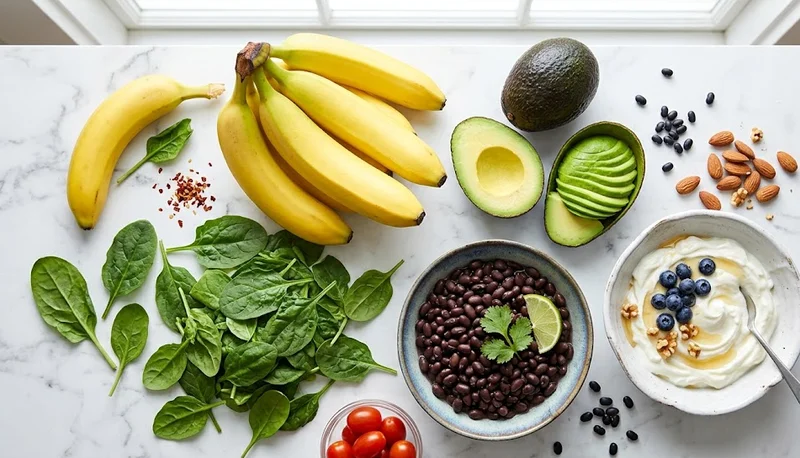
One of the most effective dietary strategies for managing blood pressure is increasing potassium intake alongside reducing sodium. Potassium and sodium work together to regulate fluid balance and blood vessel tension. Diets high in potassium, which comes from vegetables, fruits, legumes, nuts, and dairy, help counteract some of the blood pressure raising effects of sodium.
Good potassium sources include bananas, sweet potatoes, avocados, spinach, beans, and yogurt. Eating more of these foods while reducing processed food intake addresses both sides of the sodium-potassium balance at the same time and is one of the most evidence-backed dietary approaches for cardiovascular health.
Final Thoughts
How much sodium per day you need depends on your age and health, but the general guidance for most healthy adults is to stay below 2300 milligrams. The bigger challenge is usually not the salt shaker but the sodium already present in packaged, processed, and restaurant food.
Cooking more at home, reading labels, and choosing whole foods over processed ones are the most practical ways to bring your daily sodium into a healthier range. Small changes made consistently add up over time and do not require you to give up the flavors you enjoy.