
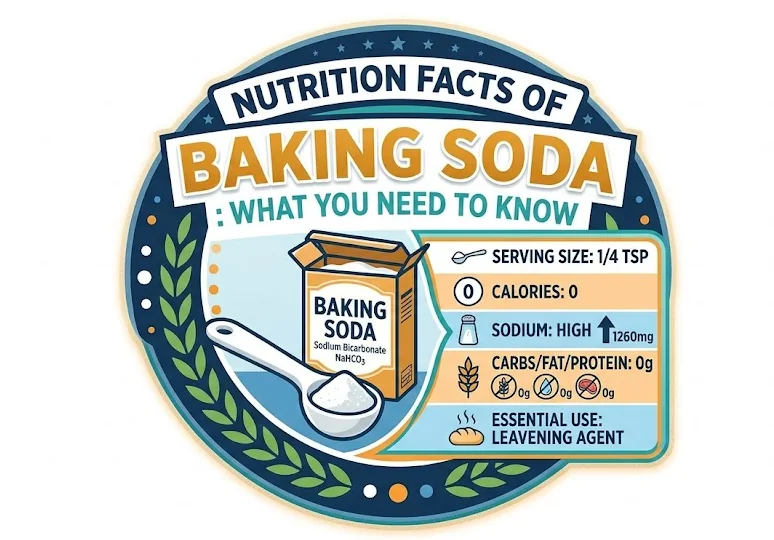
Baking soda is a very common item in most kitchens. You probably use it to make cookies rise or to clean your sink. But have you ever looked closely at the nutrition facts of baking soda? Many people search for this information because they want to know exactly what they are adding to their food or their home. This guide gives you clear and simple answers. There are no confusing terms or hard words. You will just get the facts you need in plain English that anyone can understand.
What Is Baking Soda
Baking soda is also called sodium bicarbonate. It is a fine white powder that comes from a natural mineral found in the ground. You can buy it in a small box at the baking aisle of any grocery store. It is very cheap and lasts for a long time if you store it properly. People use it for cooking and cleaning. Some even use it for personal care. But what is actually inside that white powder?
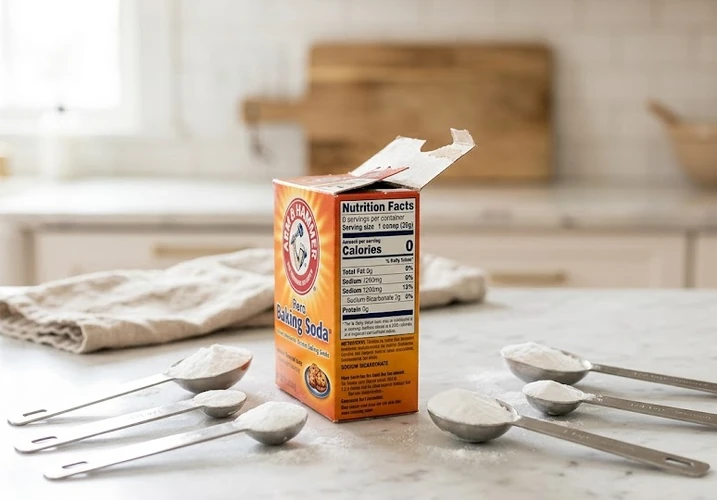
The chemical makeup is very simple. It is made of sodium, hydrogen, carbon, and oxygen. When these elements combine, they create a mild alkali. This means it has a basic pH level rather than an acidic one. That basic quality is what makes it so useful in recipes. It helps balance acidity and creates bubbles that make dough expand. Understanding this simple chemistry helps you use it better in your daily routine.
Basic Nutrition Breakdown
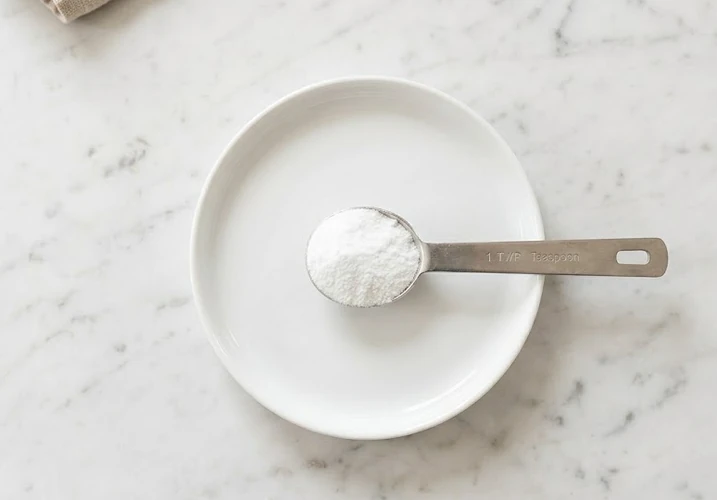
Let us look at the exact nutrition facts of baking soda for one level teaspoon. That is about four grams of powder.
Calories are zero. Total fat is zero grams. Total carbohydrates are zero grams. Dietary fiber is zero grams. Sugars are zero grams. Protein is zero grams. Sodium is one thousand two hundred fifty nine milligrams.
That is the complete list. Baking soda has absolutely no calories, no fat, no carbs, and no protein. The only major nutrient it adds to your diet is sodium. One single teaspoon contains more than half the sodium most healthy adults should eat in an entire day. The general daily limit for sodium is around two thousand three hundred milligrams. So a little bit of baking soda goes a very long way in terms of sodium intake.
What the Numbers Mean for You
The high sodium content is the most important part of the nutrition facts of baking soda. Your body needs sodium to control fluid balance and to send nerve signals properly. But too much sodium can cause water retention and raise blood pressure in some people. If you watch your salt intake closely, you should pay attention to how much baking soda you use.
Most recipes only call for a small amount like half a teaspoon or less. That means the sodium you get from baked goods is usually not a problem for healthy people. But if you use baking soda for other reasons like making a homemade drink or mixing a cleaning paste, you might add more than you realize. Always measure it carefully. Do not guess with your measurements.
Common Uses in Cooking
Baking soda helps dough rise quickly. It reacts with acidic ingredients like lemon juice, yogurt, buttermilk, or vinegar to create tiny bubbles. These bubbles make cakes fluffy and cookies soft. When you are cooking with Himalayan pink salt, you might also reach for baking soda to balance flavors or tenderize tougher cuts of meat. Both items are simple kitchen staples that work well together to improve your meals.
You can also use baking soda to soften dried beans before cooking. Just add a small pinch to the soaking water. It helps break down the tough outer skin of the beans. This can make them much easier to digest and cook faster. Another useful trick is to add a tiny amount to tomato sauce. It reduces sharp acidity without adding extra sugar or cream.
Simple Tips for Safe Use
Baking soda is safe for most people when used in normal cooking amounts. But there are a few important things to keep in mind. First, do not use too much in your recipes. Extra baking soda can leave a soapy or bitter taste in your food. It can also cause your baked goods to rise too fast and then collapse in the oven.
Second, do not use baking soda as a daily health supplement without talking to a doctor. Some people drink it mixed in water to calm heartburn. This can help sometimes, but it is not meant for long term use. The very high sodium content can cause serious problems if you do it every single day.
Third, keep baking soda away from small children and pets. It looks like sugar or flour, but it is not meant to be eaten by the spoonful. Store it in a secure cupboard.
When to Talk to a Doctor
If you have high blood pressure, kidney disease, or are on a low sodium diet, ask your doctor before using baking soda for anything other than cooking. Even small amounts can add up quickly in your daily total. Your doctor can help you decide what is safe for your specific body and health condition.
Also, if you take prescription medicines, check with your pharmacist. Baking soda can change how some drugs work inside your stomach and bloodstream. It can make certain medications absorb too fast or not at all. It is always better to be safe than sorry when mixing food ingredients with medical treatments.
How Baking Soda Compares to Other Kitchen Staples
Many people wonder how baking soda stacks up against similar items on the counter. Here is a quick look at the differences.
Baking powder is not the same thing. It contains baking soda plus an added acid and a stabilizing powder. You use it when a recipe does not have any acidic ingredients like yogurt or vinegar. Nutritionally, baking powder also has sodium, but usually less per teaspoon because it is mixed with other dry ingredients. If you use a marble spice grinder to crush whole spices, you might keep baking powder nearby for quick bread recipes.
Table salt is another common kitchen item. Regular salt is almost pure sodium chloride with no leavening power. Himalayan salt has trace minerals like iron and magnesium that give it a soft pink color. Baking soda does not have these extra minerals, but it does help things rise. They serve completely different purposes in your kitchen. When you prepare a big meal, knowing which white powder to reach for makes a huge difference in your final dish.
Easy Storage and Freshness Tips
Baking soda lasts a long time if you store it the right way. Keep the box in a cool, dry place like a pantry or cupboard. Do not store it right next to the stove or sink where heat and steam can get inside the box.
To test if your baking soda is still good, put a small amount in a bowl. Add a few drops of vinegar. If it bubbles up right away, it is still active and ready to bake with. If nothing happens or the bubbles are very weak, it has lost its power. You should buy a new box for cooking.
You can still use old baking soda for cleaning though. It is great for scrubbing sinks, deodorizing refrigerators, or freshening carpets. So even if it is not strong enough for baking anymore, it remains very useful around the house. You can also place an open box in your closet to absorb musty smells from clothes and shoes.
Cleaning and Home Uses
Because baking soda is mildly abrasive, it scrubs surfaces without scratching them. Mix it with a little water to make a paste for tough stains on counters or tile. Sprinkle it on your mattress and vacuum it up later to remove odors. It works well in laundry too. Adding half a cup to your wash cycle helps brighten clothes and neutralize smells.
If you enjoy natural products in your home routine, baking soda pairs well with other simple minerals. You can use it alongside a relaxing bath soak for a complete natural care day. Both baking soda and Himalayan bath salt are simple compounds that improve your daily life in small but meaningful ways. They do not require fancy bottles or expensive labels to work effectively.
Final Thoughts
The nutrition facts of baking soda are very simple to understand. Zero calories, zero fat, zero carbs, and a lot of sodium. That is the whole story. For most people, using it in recipes is perfectly fine and completely safe. Just be mindful of the sodium if you are watching your daily intake closely.
Baking soda is a helpful tool in any kitchen. It makes baked goods light and fluffy. It can soften beans and balance sour sauces. Used wisely, it is a safe and very affordable ingredient that saves you money.
Cooking should be enjoyable, not stressful. Use baking soda with confidence. Measure it carefully. Store it in a dry place. And enjoy the results in your favorite family recipes. When you know exactly what is in your food, you can cook with peace of mind.