
How to buy organic food online is a question a lot of people are asking right now. Online grocery shopping has become very common, but it adds a layer of confusion when it comes to organic food. Which websites are trustworthy? What do the labels actually mean? How do you know you are getting real organic food and not just a product with a green label on the packaging?
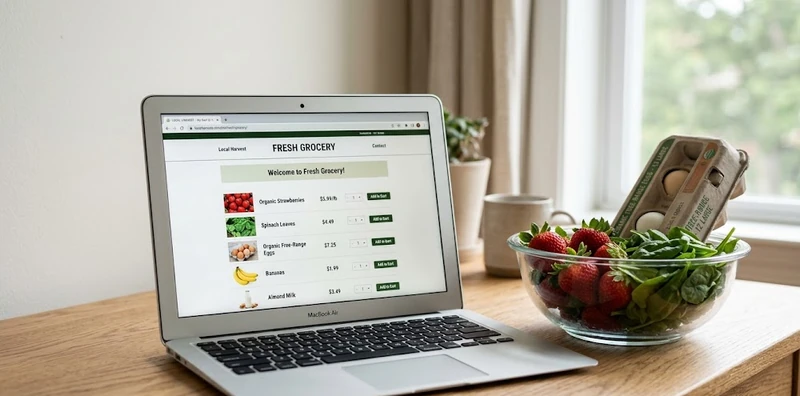
This guide answers all of those questions clearly and practically. No complicated jargon, no assumptions about what you already know. Just honest, useful information.
What Does Organic Actually Mean
Before you learn how to buy organic food online, it helps to understand what organic actually means so you can tell the real thing from clever marketing.
In most countries, the word organic on a food label is regulated by a government body. In the United States, the USDA National Organic Program sets the standards. For food to carry a certified organic label, it must be grown or raised without synthetic pesticides, synthetic fertilizers, genetically modified organisms, sewage sludge, or irradiation.
For animal products like meat, eggs, and dairy, organic also means the animals must have outdoor access and be fed certified organic feed. They cannot be given growth hormones or routine antibiotics.
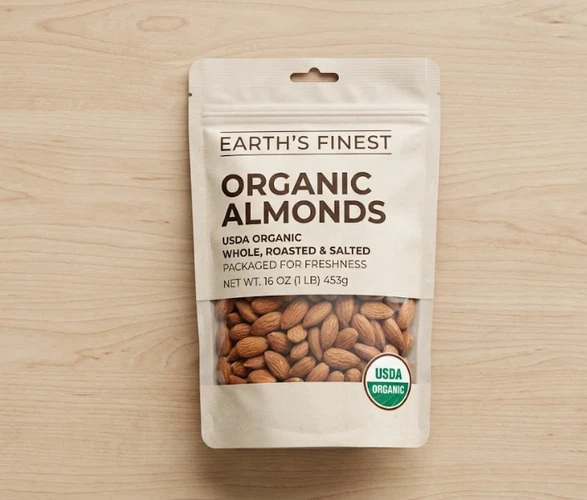
The key word is certified. A product can call itself natural or use earthy green packaging, but that does not make it organic. You need to look for certification from a recognized body. In the US, that is the USDA Organic seal. In Europe, look for the EU Organic logo. In Canada, look for the Canada Organic logo.
How to Buy Organic Food Online Step by Step
Step one is choosing the right website. There are several types of online retailers that sell organic food. Large general marketplaces have organic products, but quality and authenticity can vary widely across sellers. Dedicated organic grocery delivery services tend to have stricter sourcing standards because their reputation depends on it.
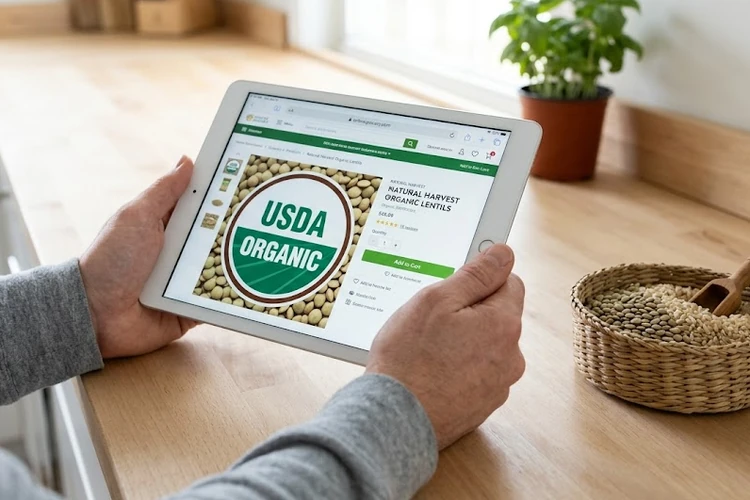
Specialty food websites that focus entirely on natural and organic products are often the most reliable because their whole business is built around that category. They have more incentive to verify what they sell and less room to cut corners.
Step two is reading the product label carefully. On most online food retailers, you can zoom into product images or find the full label in the product description. Look for the official certification seal. If you cannot find it, search the brand name and check their website to confirm whether they are certified.
Step three is checking the ingredient list. Even on certified organic products, some ingredients may be non-organic if they appear in very small amounts. US law allows up to five percent non-organic ingredients in a product that carries the USDA Organic seal. If you want completely organic ingredients, look for products that specifically say 100 Percent Organic on the label.
Step four is comparing prices. Organic food costs more than conventional food, and online prices vary significantly across retailers. Buying in bulk for staples like dry grains, legumes, and dried goods is one of the most effective ways to reduce the cost per unit when you shop organic online. Subscription programs on some platforms also offer regular savings.
How to Spot Misleading Labels
Natural does not mean organic. The word natural has no strict legal definition in most countries when used on food labels. A product can say natural and still contain synthetic additives.
Free range does not always mean organic. Free range refers to how animals are housed, not what they ate. A free range chicken could have been fed non-organic feed.
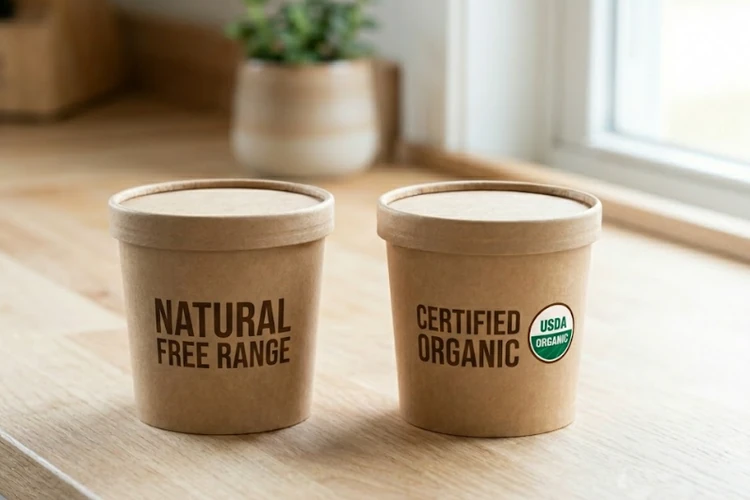
Non-GMO does not mean organic. A product can be GMO-free and still be grown with synthetic pesticides. These are two separate certifications covering different things.
Green or earthy packaging is not a certification. Ignore the design and colors on the package and focus on what the label actually says. Look for the certification seal, not the leaf imagery.
Which Organic Foods Are Worth Prioritizing
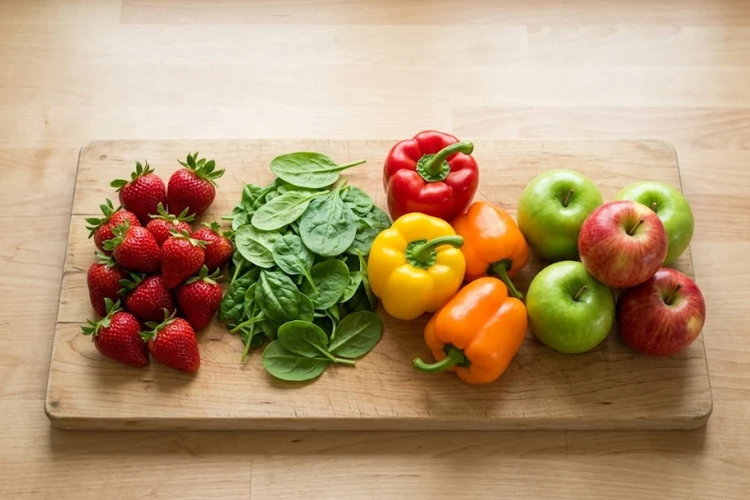
Some foods benefit more from being organic than others, which matters if your budget is limited. The Environmental Working Group publishes a yearly list called the Dirty Dozen, which names fruits and vegetables that tend to have the highest pesticide residues when grown conventionally. This list typically includes strawberries, spinach, peppers, grapes, and apples. Buying these items organic makes a bigger nutritional difference than buying organic avocados or onions, which naturally absorb fewer pesticides.
For packaged goods like oils, flours, grains, and legumes, buying organic online is very practical because these items ship well and have long shelf lives.
What to Check Before Ordering
Check the delivery time and packaging quality before ordering fresh produce online. Perishable goods need to arrive quickly and in proper insulated packaging to stay fresh. Check the return and refund policy of any new retailer before your first purchase. Reputable organic food retailers should offer a reasonable resolution if an order arrives damaged or not as described.
Read customer reviews and look for feedback about product quality and freshness rather than just delivery speed. Verified buyer reviews are more useful than unverified ones.
If you also shop for natural kitchen and home products online, the same principles apply. Look for suppliers who are transparent about sourcing. Premier Halite, for example, sources authentic Himalayan salt directly from the Khewra Mine in Pakistan and provides clear information about its products. Understanding where your ingredients come from, whether food or natural salt products, is part of shopping smart. You can also explore Himalayan salt lamp benefits if you enjoy natural home products, or check our guide on how to store salt properly to keep your pantry staples in good condition.
How to Save Money Buying Organic Online
Buying organic does not have to mean spending a lot more money than you would on conventional food. There are several straightforward ways to keep costs down when shopping for organic food online.
Membership programs are one of the most effective options. Some dedicated organic food retailers offer annual membership plans that give you reduced prices across their whole catalog, free shipping thresholds, and access to exclusive deals. If you shop from the same retailer regularly, the membership fee often pays for itself quickly.
Buying staples in bulk is another reliable strategy. Dry goods like organic oats, lentils, beans, rice, flour, and nuts cost significantly less per kilogram or pound when bought in larger quantities. These items store well for months or even years when kept in airtight containers, so buying in bulk does not mean wasting food.
Seasonal produce is cheaper organic and conventional alike. Many online organic retailers offer seasonal boxes or CSA-style subscriptions where you receive a curated selection of whatever is in season. These tend to be more affordable than buying organic produce individually and also introduce variety into your cooking.
Questions to Ask Before Buying From a New Online Organic Retailer
Before placing your first order with an online organic food retailer you have not used before, it is worth doing a small amount of research. Check whether they publish their sourcing information and certifications clearly on their website. A trustworthy organic retailer will be transparent about where their products come from and which certification body has verified their claims.
Look for a physical business address and a clear customer service contact. Online-only businesses can be legitimate, but the ability to contact someone directly if there is a problem with your order matters. Check the returns policy and understand what happens if products arrive damaged, spoiled, or not as described.
Reading independent customer reviews on third-party platforms rather than just the retailer’s own website also gives you a more honest picture of the shopping experience before you commit to an order.
Final Thoughts
Knowing how to buy organic food online comes down to three simple things: understanding what certification actually means, choosing retailers who verify their products, and reading labels carefully instead of trusting packaging design.
You do not need to switch your entire grocery shopping to organic overnight. Start with the foods where organic makes the biggest difference, buy dry goods in bulk, and use subscription programs where available. Over time, shopping for organic food online becomes easy and can even be more convenient than going to a physical store.