
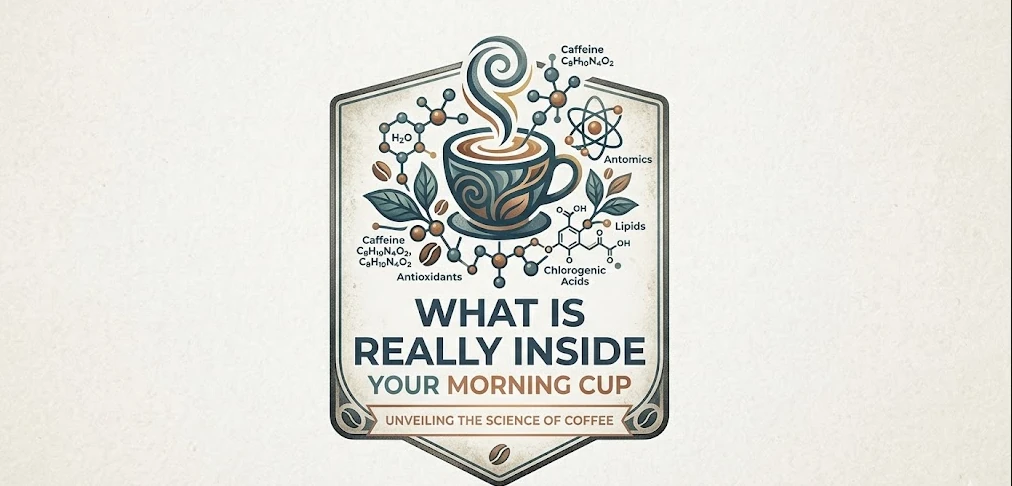
Coffee bean nutrition is something most coffee drinkers have never thought about. You know coffee gives you energy and tastes good in the morning, but what is actually inside a coffee bean before it reaches your cup? What nutrients does it carry? And does your morning brew give your body anything useful beyond a caffeine boost?
This article walks you through what is in a coffee bean, what happens to those nutrients during roasting and brewing, and what you are actually getting in your cup every single day.
What a Coffee Bean Actually Is
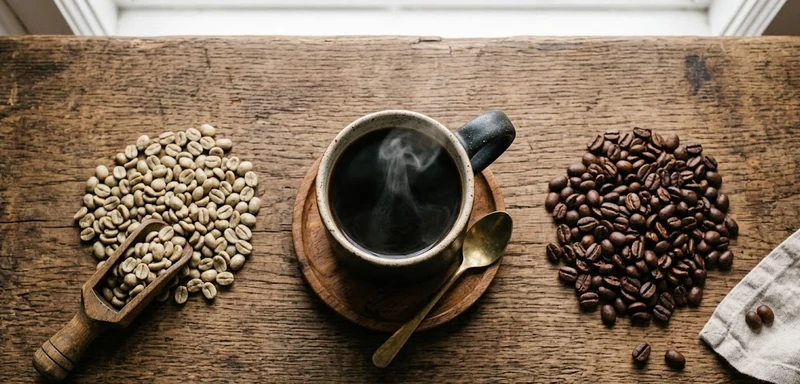
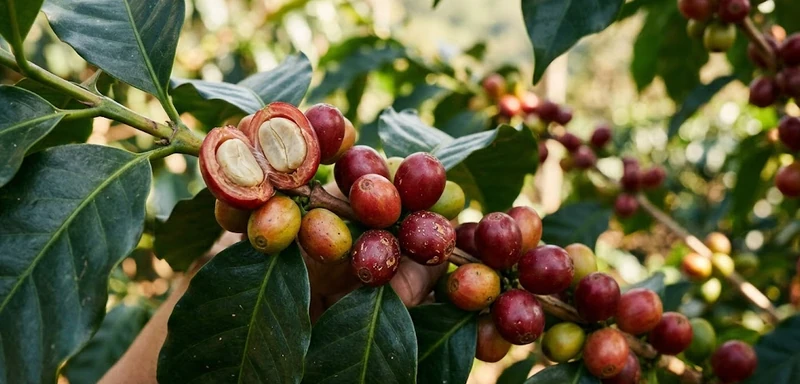
A coffee bean is not truly a bean. It is the seed of the coffee fruit, a small round fruit that grows on coffee plants in tropical regions around the world. The fruit is sometimes called a coffee cherry because it turns red when ripe. Inside each coffee cherry are usually two seeds, and those seeds are what we call coffee beans.
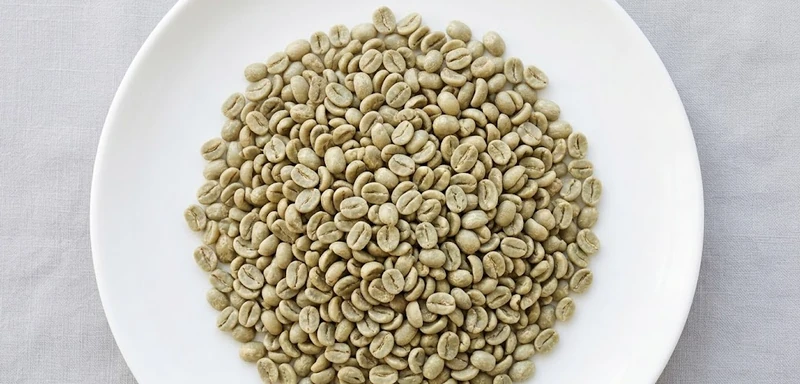
Before roasting, coffee beans are green. They are dense, waxy, and smell grassy. Roasting transforms them into the brown, fragrant beans you find at the store. This process changes the chemical makeup of the bean significantly, affecting both the taste and the nutritional content.
Coffee Bean Nutrition in Raw Green Coffee
Raw, unroasted green coffee beans are more nutritionally dense than the roasted ones most people see. Here is what 100 grams of raw green coffee beans contain:
- Calories: around 290 to 330 depending on the variety
- Carbohydrates: roughly 50 to 60 grams
- Protein: around 10 to 13 grams
- Fat: about 15 grams
- Fiber: around 33 grams
- Caffeine: approximately 1,000 to 2,000 milligrams
- Chlorogenic acids: 6 to 10 grams, which are powerful plant antioxidant compounds
- Minerals: potassium, magnesium, phosphorus, manganese, and small amounts of calcium and iron
- Vitamins: small amounts of B vitamins including riboflavin, niacin, and pantothenic acid
These numbers are for the whole raw bean. Since you brew coffee in water and drink the liquid, the actual nutrients that end up in your cup are quite different from these raw figures.
What Roasting Does to Coffee Bean Nutrition
Roasting transforms green coffee beans and changes their nutritional profile in several ways.
Heat breaks down chlorogenic acids, which are the main antioxidant compounds in coffee. Light roasts keep more chlorogenic acids than dark roasts, which is one reason some researchers consider lightly roasted coffee to have stronger antioxidant activity.
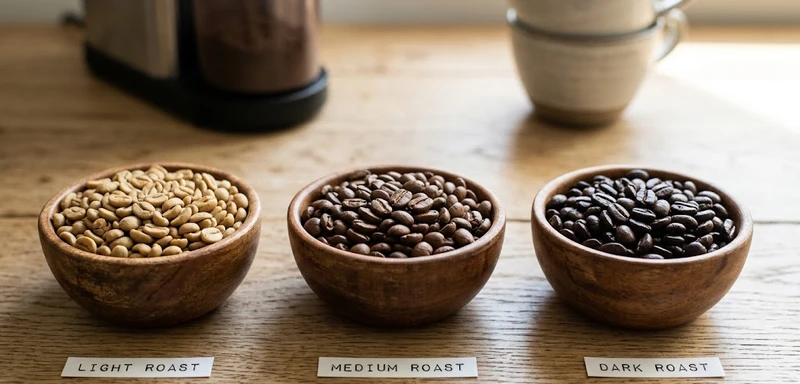
Caffeine stays stable during roasting. It does not break down easily under heat, so light and dark roasts of the same bean will have fairly similar caffeine levels by weight. Dark roast beans are slightly less dense though, so a scoop of dark roast measured by volume may have slightly less caffeine than the same volume of light roast.
B vitamins like riboflavin and niacin survive roasting reasonably well. Roasted coffee beans contain small but measurable amounts of these vitamins.
Coffee Bean Nutrition in a Brewed Cup
One standard 240 milliliter cup of black brewed coffee contains:
- Calories: 2 to 5, essentially zero
- Carbohydrates: 0 grams
- Fat: 0 grams
- Protein: 0.3 grams
- Caffeine: 80 to 100 milligrams on average
- Potassium: around 116 milligrams
- Magnesium: around 7 milligrams
- Riboflavin (B2): about 0.2 milligrams, roughly 11 percent of the daily value
- Niacin (B3): around 0.5 milligrams

Antioxidants: coffee is one of the richest dietary sources of antioxidants in many Western diets, mainly because people drink it so consistently
So while a single cup is not a major source of vitamins and minerals, it does deliver meaningful antioxidants and a reliable caffeine dose. For many people, coffee is actually their largest daily source of dietary antioxidants simply because of how much of it they drink.
Chlorogenic Acids and Why They Matter
Chlorogenic acids are polyphenol compounds, a type of antioxidant, found in high amounts in coffee beans. They have been studied for potential roles in supporting blood sugar management and protecting cells from oxidative damage. When you brew coffee, some of these chlorogenic acids pass into your cup. The exact amount depends on roast level, brewing time, and method used.
Caffeine: The Best Known Part of Coffee Bean Nutrition
Caffeine is naturally present in coffee beans as a defense mechanism the plant uses against insects. For humans, it works by blocking adenosine receptors in the brain, which is what produces the feeling of alertness after drinking coffee.
A standard 240 milliliter cup of Arabica brewed coffee has roughly 80 to 100 milligrams of caffeine. Robusta coffee can have close to 200 milligrams because Robusta beans naturally contain more caffeine than Arabica. Most health guidelines suggest that up to 400 milligrams per day is safe for most healthy adults, which works out to about three or four average cups of brewed coffee.
Pairing Coffee Knowledge With Natural Kitchen Choices
Coffee fits well into a natural, whole-food approach to eating. Understanding coffee bean nutrition shows you that your morning cup brings more than just caffeine. It contributes antioxidants, small amounts of B vitamins, and minerals.
If you are also mindful about the ingredients you cook with, our article on cooking with Himalayan pink salt covers how to season food with a natural mineral-rich salt. And to understand the sodium in everyday pantry staples, our breakdown of nutrition facts of baking soda covers what that common baking ingredient actually contains.
Does Adding Milk or Sugar Change Coffee Nutrition
Black coffee on its own has almost no calories and very little nutritional content beyond antioxidants and caffeine. But most people do not drink black coffee. They add milk, cream, plant milk, sugar, syrups, or flavored creamers, and those additions change the nutrition picture considerably.
A tablespoon of whole milk adds about 9 calories, a small amount of fat, protein, and calcium. A tablespoon of heavy cream adds around 52 calories and 5.5 grams of fat. A teaspoon of white sugar adds about 16 calories and 4 grams of carbohydrates with no other nutritional value.
Flavored coffee drinks from cafes can contain hundreds of calories, large amounts of added sugar, and significant fat depending on the recipe. A large flavored latte or blended coffee drink can have as many calories and as much sugar as a dessert. If you are drinking coffee for its antioxidants and low-calorie profile, black or lightly milked coffee is the most nutritionally efficient option.
Caffeine Sensitivity and Safe Limits
Not everyone processes caffeine at the same rate. Genetics play a role in how quickly your body breaks down caffeine. Some people can drink coffee in the evening with no effect on sleep. Others are very sensitive to even small amounts and feel jittery or anxious after one cup.
Pregnant women are generally advised to keep caffeine intake below 200 milligrams per day, which is roughly one to two cups of average-strength coffee. People with certain heart conditions, anxiety disorders, or sleep issues may also need to limit caffeine more than the general population.
If you notice that coffee makes you feel anxious, gives you headaches, or disrupts your sleep, experiment with reducing your intake gradually rather than stopping suddenly, as abrupt caffeine withdrawal can cause temporary headaches and fatigue.
Final Thoughts
Coffee bean nutrition tells an interesting story. The raw bean is packed with antioxidants, caffeine, fiber, and minerals. Roasting changes some of those compounds and brewing extracts others into your cup. What you end up with is a near-zero-calorie drink with real antioxidant content, a useful caffeine boost, and a small but genuine supply of vitamins and minerals.
Your morning cup will not replace vegetables or whole grains, but it is also not as nutritionally empty as many people assume. There is real content in that bean, and now you know exactly what it is.