

What is rock salt used for is a question that comes up more often than you might expect. Most people think of rock salt as something that gets spread on icy roads in winter or maybe used in an old-fashioned ice cream maker. But rock salt has a surprisingly wide range of practical uses in the kitchen, around the home, and outdoors. This article explains what rock salt is, where it comes from, and the different things it is used for so you have a clear and complete picture of this widely available mineral.
What Is Rock Salt
Rock salt is halite, which is the natural and unrefined form of sodium chloride. It forms underground when ancient saltwater seas evaporate over millions of years. The salt crystallizes and gets compressed under layers of rock and sediment. It is then mined directly from those underground deposits.
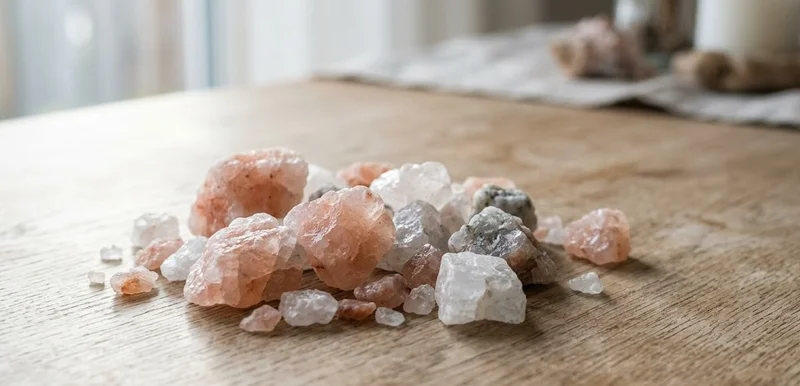
Rock salt comes in large, chunky crystals that look very different from the fine white granules in a regular salt shaker. Its color can range from white and clear to gray, pink, or light blue depending on the minerals present in the particular deposit where it was mined.
Himalayan pink salt is one well-known type of rock salt. It is mined from the Khewra Salt Mine in Pakistan and gets its distinctive pink color from trace iron oxide in the deposit.
What Is Rock Salt Used For in the Kitchen
In the kitchen, food grade rock salt has several practical uses.
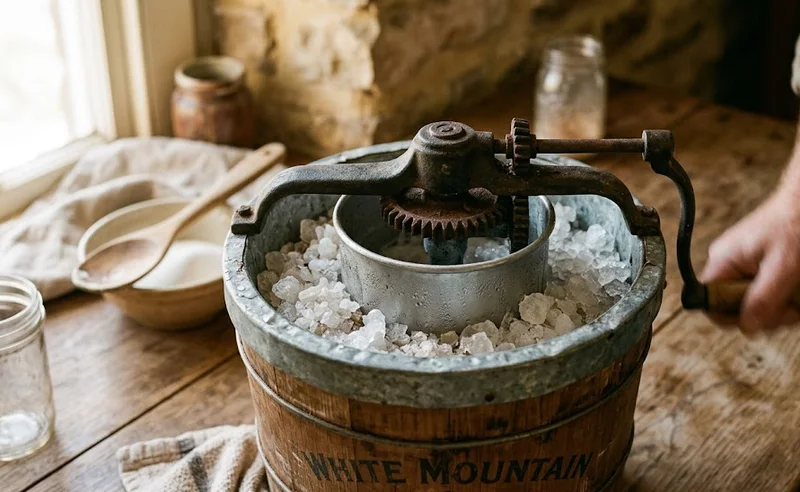
Making ice cream is the most traditional use. When you place a container of ice cream mix inside a larger bowl filled with ice and rock salt, the salt lowers the freezing point of the ice. This creates a colder environment than plain ice alone, which causes the cream mixture to freeze faster and more evenly. The result is the smooth, creamy texture that old-fashioned hand-cranked ice cream is known for.
Salt crust cooking is another well-known kitchen use. You pack a whole fish, chicken, or root vegetable completely in a thick layer of damp rock salt and bake it in the oven. The salt hardens into a crust that seals in steam and moisture, cooking the food gently from all sides. When you crack open the crust at the table, the food inside is moist and tender with a subtle, even seasoning.
Salt curing and preservation is one of the oldest food uses for coarse rock salt. Salt draws moisture out of food through osmosis, which creates an environment where harmful bacteria cannot survive. This technique is still used for curing meats, fish, and vegetables.
What Is Rock Salt Used For Outside the Kitchen
Road de-icing is the largest single use of rock salt in the world. During winter, road crews spread rock salt on roads and pavements to lower the freezing point of water and prevent ice from forming. It is inexpensive, widely available, and effective at temperatures where plain water would remain frozen. This is why it remains the most common de-icing method in cold countries.
Water softening is another major use. Hard water contains high levels of calcium and magnesium, which build up in pipes and appliances and make soap less effective. Water softener units use rock salt in a process called ion exchange that removes those minerals from the water supply, softening it.
In gardening, concentrated salt can kill plants by drawing moisture from plant cells through osmosis. This property is sometimes used to control weeds in spots where you do not want any plant growth, like between paving stones. However, this must be done carefully because salt accumulates in soil and can make it unable to support plant life for a long time.
Food Grade vs Industrial Rock Salt
This is an important distinction that many people do not know about.
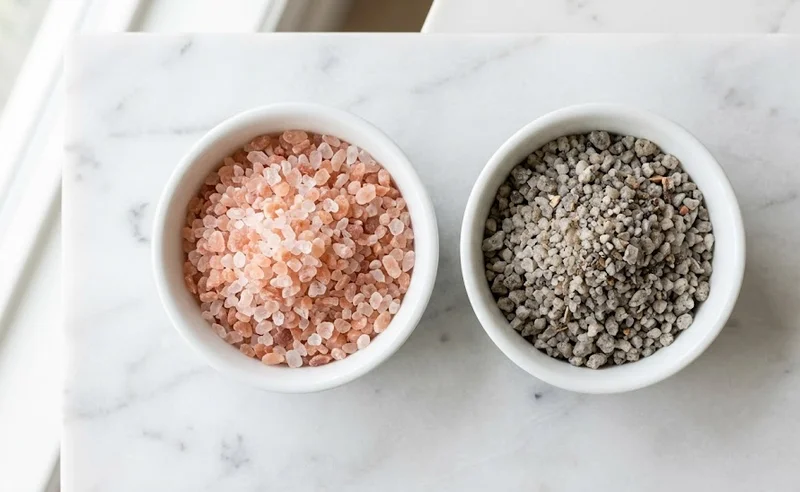
Food grade rock salt has been cleaned and processed to remove impurities and meet food safety standards. It is tested for harmful contaminants and approved for human consumption. This is the type you find sold as culinary salt, Himalayan pink salt, or similar food products.
Industrial rock salt is sold for de-icing roads, water softening, and other non-food uses. It is not cleaned to food safety standards and may contain dust, chemical impurities, and other substances that you should not eat. Industrial rock salt should never be used in cooking or for any food preparation. Always check that you are buying food grade rock salt if you plan to cook with it.
Rock Salt in Natural Home Products
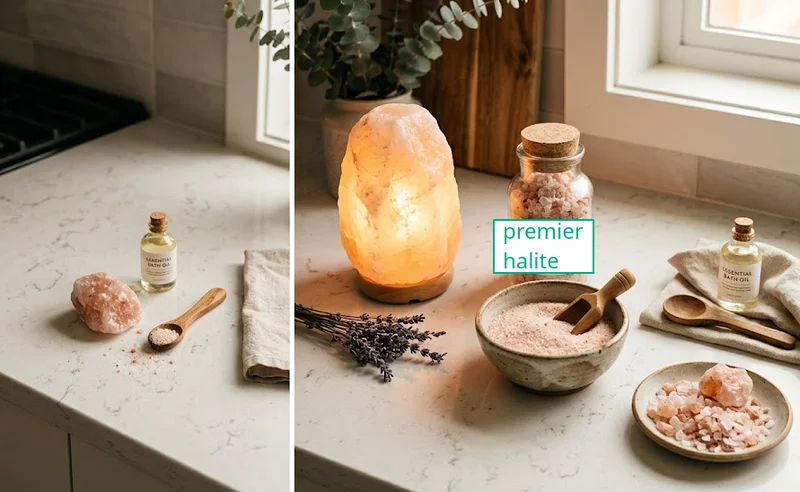
Rock salt is the base material for several natural home products. Himalayan salt lamps are one well-known example. These are large chunks of pink rock salt fitted with a light bulb and used as decorative home lighting. If you own one, our guide on how to clean a salt lamp gives you easy maintenance tips to keep it in good condition.
Rock salt is also used in bath products. Himalayan pink salt for cooking comes from the same underground rock salt deposits and is the same material used in bath soaks and other mineral products. For a full understanding of what is in that salt, our article on why is himalayan salt pink covers the mineral content and color origins in detail.
Rock Salt for Pickling and Fermenting
Beyond the kitchen uses already mentioned, coarse food grade rock salt is widely used for pickling vegetables and for fermenting foods like sauerkraut and kimchi. In pickling, a strong salt brine preserves vegetables and gives them their characteristic tangy, salty flavor. The salt concentration needs to be high enough to prevent the growth of harmful bacteria while allowing the preserved vegetables to stay safe and flavorful.
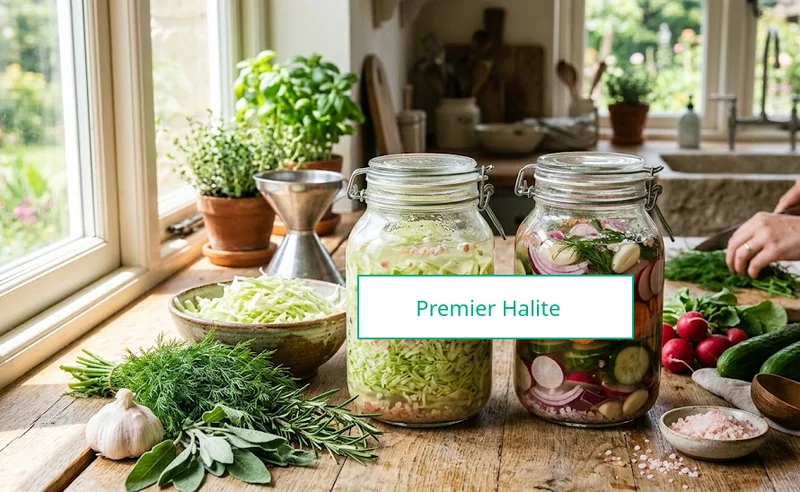
For fermentation, salt plays a different but equally important role. When you massage salt into shredded cabbage to make sauerkraut, the salt draws out the water from the vegetable cells through osmosis. This water mixes with the salt to form a natural brine. The beneficial bacteria that naturally live on the cabbage then ferment in that brine, producing lactic acid that preserves the cabbage and gives it its sour flavor.
For pickling and fermenting, it is important to use plain food grade rock salt or kosher salt without any iodine or anti-caking additives. Iodine can inhibit the fermentation process and affect the final flavor. Anti-caking agents can make a brine slightly cloudy. Plain, additive-free salt gives the cleanest results.
Rock Salt in Animal Nutrition
Rock salt is also sold as mineral licks for livestock and horses. Animals in pastures need sodium and other minerals in their diet, and rock salt licks give them a natural way to consume those minerals as needed. You will sometimes see large salt blocks in fields or stables for this purpose.
This use is completely separate from food grade rock salt for human consumption and cooking. Salt blocks sold for animals are not cleaned or processed to food safety standards for humans and should not be used for cooking.
Final Thoughts
The answer to what is rock salt used for covers a wider range than most people expect. From making ice cream and curing fish, to de-icing roads, softening household water, and forming the base of natural home and kitchen products, rock salt is one of the most versatile naturally occurring minerals used in everyday life.
The most important thing to keep in mind is always to check whether the rock salt you are buying is food grade before using it in cooking. Industrial rock salt is not safe to eat. As long as you are working with properly certified food grade rock salt, it is a clean, natural, and practical ingredient with a very long history of safe use. If you enjoy using natural salt in your meals, our guide on cooking with Himalayan pink salt offers simple tips for adding it to your everyday recipes.