
Himalayan salt vs sea salt is one of the most common food comparisons people search for online. Both sit on grocery store shelves near each other, both claim to be natural and unrefined, and both come in a range of grain sizes. But they are not the same thing. They come from different sources, have different mineral profiles, and behave somewhat differently in the kitchen. This article clears up the confusion in plain and honest language so you can make an informed choice about which one to keep in your kitchen.
Where Each Salt Comes From
The source is the most important difference between these two salts, and it shapes everything else about them. Himalayan salt comes from underground rock deposits in the Khewra Salt Mine in Pakistan. This mine sits near the foothills of the Himalayas and is one of the largest and oldest salt mines in the world. The salt formed roughly 250 million years ago when an ancient inland sea dried up and left behind massive salt beds. Over millions of years, those deposits were compressed by rock above them, sealing the salt away from modern environmental contamination. It is mined by hand, lightly washed, and sold with minimal processing.
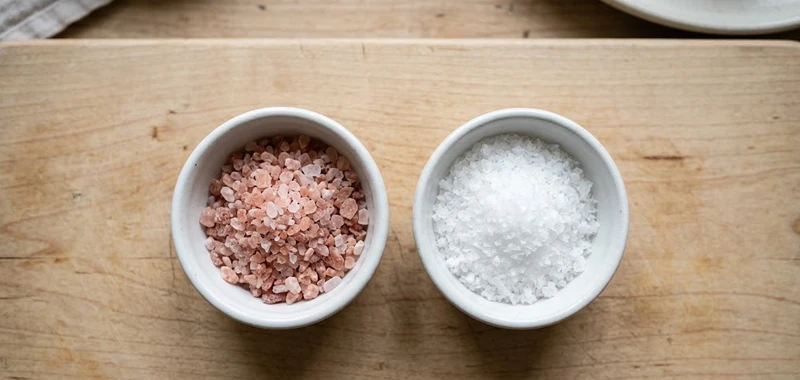
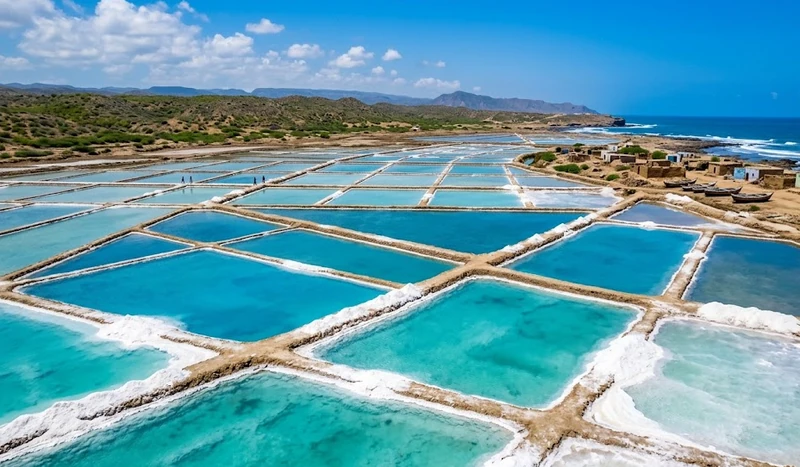
Sea salt is harvested from evaporated seawater. Seawater is channeled into shallow ponds, sun and wind evaporate the water, and the remaining salt crystals are collected and dried. Sea salt comes from many different oceans and coastal regions around the world. Because it comes from today’s oceans, quality and mineral content vary depending on the source location and level of processing.
himalayan Salt vs Sea Salt: Mineral Content Breakdown
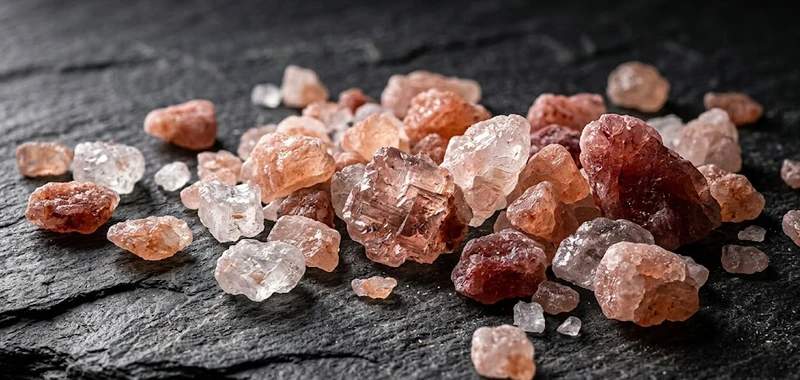
Both salts are mostly sodium chloride, just like regular table salt. The difference is in the trace minerals that make up the small remaining percentage. Himalayan pink salt gets its color from iron oxide and contains trace amounts of over 80 minerals including potassium, magnesium, calcium, iron, and zinc. However, these amounts are genuinely tiny. You would need to eat an unrealistic amount of salt to get a meaningful daily dose of those minerals from Himalayan salt alone.
Sea salt also contains trace minerals, but the specific minerals depend on the ocean it came from. Mediterranean sea salt tends to be higher in magnesium. Atlantic sea salt has different ratios. Some sea salts are processed more heavily than others, which removes trace minerals. Hand harvested sea salts like fleur de sel tend to retain more minerals than heavily processed versions.
The honest conclusion is that the mineral differences between himalayan salt vs sea salt are real but nutritionally small. Neither is a significant source of minerals. You get your daily minerals from food, not from the salt you sprinkle on it.
Taste and Texture Differences
Himalayan salt has a clean, mild, and slightly earthy taste. Many people describe it as less sharp than regular table salt. Coarser versions have a pleasant crunch when used as a finishing salt. The pink color also makes it visually appealing on finished dishes.
Sea salt tends to have a brighter flavor that varies by region. Some sea salts have a slightly briny quality, while others are quite clean and mild. Premium hand harvested sea salts have a delicate and complex flavor that is quite different from standard processed sea salt in a shaker.
Both taste noticeably different from refined table salt, which has a flat and sharp sodium taste. If you are switching from table salt to either option, you will likely find the flavor softer and more rounded.
Uses in the Kitchen
For everyday cooking like boiling water, seasoning soups, or salting dough, both salts work perfectly well and can be used interchangeably in most recipes. When you are cooking with Himalayan pink salt, you can substitute sea salt in equal measure for most applications.
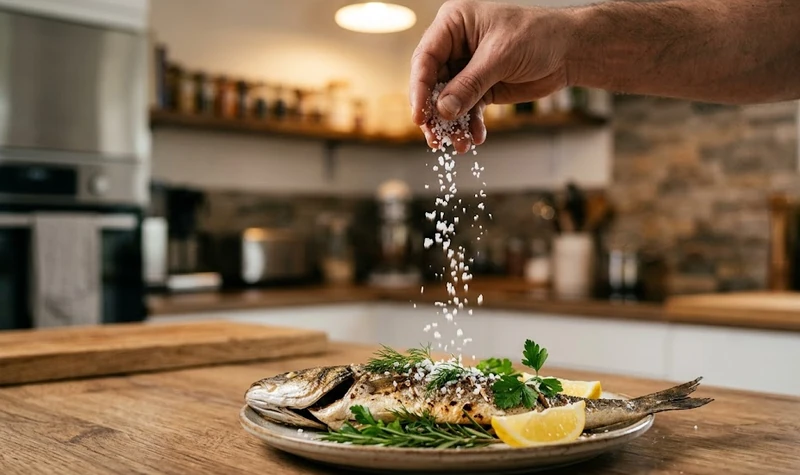
For finishing dishes, coarse Himalayan salt is visually attractive with its pink crystals and is widely used. Coarse sea salt works equally well for this purpose and is often slightly less expensive. One practical point about grain size is that coarse salt has a different volume than fine salt. If a recipe calls for one teaspoon of table salt and you use coarse Himalayan or sea salt instead, the larger grains mean you are actually using less sodium by weight even though the spoon looks full. Always taste and adjust when changing grind size.
Price and Availability
Standard Himalayan pink salt is generally more expensive than basic sea salt. Premium hand harvested sea salts can be even more expensive than Himalayan salt. For everyday cooking, the price difference per serving is small because you use tiny amounts of salt at a time. Both salts are widely available in grocery stores, health food shops, and online retailers.
Which One Should You Choose
There is no wrong answer in the himalayan salt vs sea salt comparison. Both are natural and minimally processed options that are a better choice than heavily refined table salt. Choose Himalayan salt if you like the pink color, the consistent source, and want to pair your kitchen salt with other Himalayan salt products. If you want to understand more about what gives this salt its distinctive color, our article on why is himalayan salt pink explains the science in simple terms.
Choose sea salt if you enjoy variety and different regional flavor profiles, or want a more affordable everyday option. Many cooks keep both on hand and use them for different purposes. For guidance on using Himalayan pink salt in the kitchen, our article on cooking with Himalayan pink salt covers practical tips and recipe ideas.
Environmental Considerations
Some people choose between himalayan salt vs sea salt partly based on environmental concerns. Sea salt harvesting from well managed coastal salt flats is generally considered low impact. The salt pans use solar energy and wind to evaporate water with no external energy input. When harvested responsibly, sea salt production has a small environmental footprint.
Himalayan salt is mined from underground deposits using traditional methods in many cases. The Khewra Mine has operated for centuries and uses a room and pillar mining technique that leaves large salt pillars standing to support the mine structure. The mine is a major employer in the region and supports the local economy. Environmental concerns around Himalayan salt mining are generally lower than those associated with many other types of mining because the extraction is not highly mechanized.
Neither type of salt has a dramatically larger environmental impact than the other in normal purchasing amounts. The bigger environmental factors in your kitchen are usually energy use for cooking and how much food waste you produce rather than which type of salt you season with.
How to Tell If You Have Good Quality Salt
Regardless of whether you choose Himalayan salt or sea salt, there are a few ways to assess quality. For Himalayan pink salt, look for a consistent pink color across the crystals. Very pale or almost white Himalayan salt contains less iron oxide and comes from a different part of the deposit. Very dark red salt contains more iron. Both are genuine, just different concentrations of the same mineral.
For sea salt, the best indicator of quality is minimal processing. Look for salts that are described as hand harvested, sun dried, or unrefined. These retain more of their natural mineral complexity and tend to have a more interesting flavor profile than heavily processed sea salt.
For both types, buying from retailers who are transparent about their sourcing is the most reliable way to ensure you are getting what the label says. Premier Halite sources its Himalayan salt directly from the Khewra Salt Mine in Pakistan and provides clear information about the origin and processing of its products.
Final Thoughts
The himalayan salt vs sea salt debate does not have a single winner because both are good options depending on your preferences, budget, and cooking style. The real answer is to choose whichever you enjoy most, use it in reasonable amounts, and pick a product from a supplier who is transparent about where it comes from and how it was processed. Both salts can coexist in your kitchen, each serving different purposes and adding their own unique qualities to your cooking.
Is Himalayan salt better than sea salt
Neither is better. Both are natural and minimally processed. Himalayan salt has a consistent source and pink color. Sea salt offers regional flavor variety. Choose based on your taste preference and cooking style.
Does Himalayan salt have more minerals than sea salt
Himalayan salt contains trace amounts of over 80 minerals. Sea salt also has trace minerals but the types vary by ocean source. The amounts in both are very small. You get meaningful minerals from food not from salt.
Can I substitute sea salt for Himalayan salt in recipes
Yes you can swap them in most recipes. Keep in mind that coarse salts have larger grains. If a recipe calls for fine table salt and you use coarse salt you may need to adjust the amount. Always taste and adjust as you cook.
Why is Himalayan salt pink and sea salt white
Himalayan salt gets its pink color from iron oxide trapped in the crystal during formation millions of years ago. Sea salt is usually white or gray because it comes from evaporated seawater and contains different mineral traces.
Is sea salt safer than Himalayan salt
Both are safe when used in normal amounts. Sea salt from clean sources is fine. Himalayan salt comes from ancient underground deposits sealed away from modern ocean pollution. Buy from trusted sellers who share sourcing details.
Which salt is better for finishing dishes
Both work well as finishing salts. Himalayan salt adds a pretty pink crunch and safe for health. Flaky sea salt like fleur de sel has a delicate texture and clean taste. Try both and see which you prefer on your favorite foods.